
The rural line runs older than the city's: Shufu's instrument village has built Uyghur lutes for a millennium, Yengisar's potters keep the mold-and-wheel craft, and Yarkand was the Yarkand Khanate capital where the muqam was set into twelve suites. Three days run from suburban oases to a Silk Road capital, closing with a Sunday-dawn livestock bazaar.
The transport skeleton is train plus charter: Kashgar to Yarkand by rail in about an hour, ideal one-way, while the instrument and pottery villages chain along suburban roads by car. The livestock bazaar is fixed to Sunday, so anchor the plan to it.
Itinerary at a glance
| 09:30 | The Shufu Instrument Village: Home of the Lutes |
| 13:00 | The Yengisar Pottery Village: An Afternoon of Clay and Glaze |
| 16:00 | Yengisar Town: A Rest in the Knife's Hometown |
| 10:30 | The Yarkand Khanate Tombs and the Amannisa Khan Memorial: Where the Muqam Was Set |
| 14:00 | Old Yarkand: The Texture of a Silk Road Capital |
| 16:30 | The Shache County Library: A Quiet Corner of a County Town |
| 09:00 | The Sunday Livestock Bazaar: Day Three at Dawn |
| 15:30 | The Chang'an Night Street: Back in Town by Dusk |
| 19:30 | The Congling Performing Arts Center: The Line's Final Bow |
The route, stop by stop
The Shufu Instrument Village: Home of the Lutes
First stop, the instrument village in Shufu county, building Uyghur instruments by the century: rawap, dutar, tembor and hand drums worked by hand from timber selection to skinning, with artisans happy to explain and demo the tonal differences live.
A display hall and small performances greet visitors at the entrance, prices from tens of yuan for hand drums to thousands for performance-grade rawaps; shipping is standard service, so settle logistics when buying.
The Yengisar Pottery Village: An Afternoon of Clay and Glaze
Afternoon in Yengisar's pottery village, the mold-and-wheel craft generations deep, workshops keeping traditional kilns and glaze recipes, their green and ochre glazes modest and enduring; national heritage bearers' studios show the whole arc from kneading clay to drawing the kiln.
The hands-on is glazing a blank for a few tens of yuan, fired and shipped home; the bowls and ewers work hard in daily use, better as tools than ornaments, so buy three or five without regret.
Yengisar Town: A Rest in the Knife's Hometown
Rest at dusk in Yengisar town, home of the Yengisar knife: hand-forged blades with curved handles and pattern-welded steel fill the shops, exquisite to admire, but buying demands the discipline, knives cannot travel with you by plane or train, shipping only.
Town dinners run cheap and solid, samsa and laghman in plenty; overnight in Yengisar or return to Kashgar, with Yarkand tomorrow arguing for staying put.
The Yarkand Khanate Tombs and the Amannisa Khan Memorial: Where the Muqam Was Set
Day two opens in Yarkand. The Yarkand Khanate tombs rest the dynasty's khans, and the most important memorial inside belongs to Amannisa Khan, the sixteenth-century queen who led the codification of the Twelve Muqam; the glazed tiles and carving read beautifully among green trees.
This stop is the key to Uyghur music history: the muqam is not mere folk song but carries a courtly codification and textual transmission; hire the guide, one hour untangles the family tree.
Old Yarkand: The Texture of a Silk Road Capital
Walk old Yarkand after lunch, far less touristed than Kashgar's quarter: unvarnished lane life, naan bakers, bicycle menders, sunning elders, ochre housing kin to Kashgar's but looser at the seams.
Wander without aim, steering by minarets; muqam-themed murals and old teahouses deserve stops, and sharing a tea table with elders works fine even without a common language.
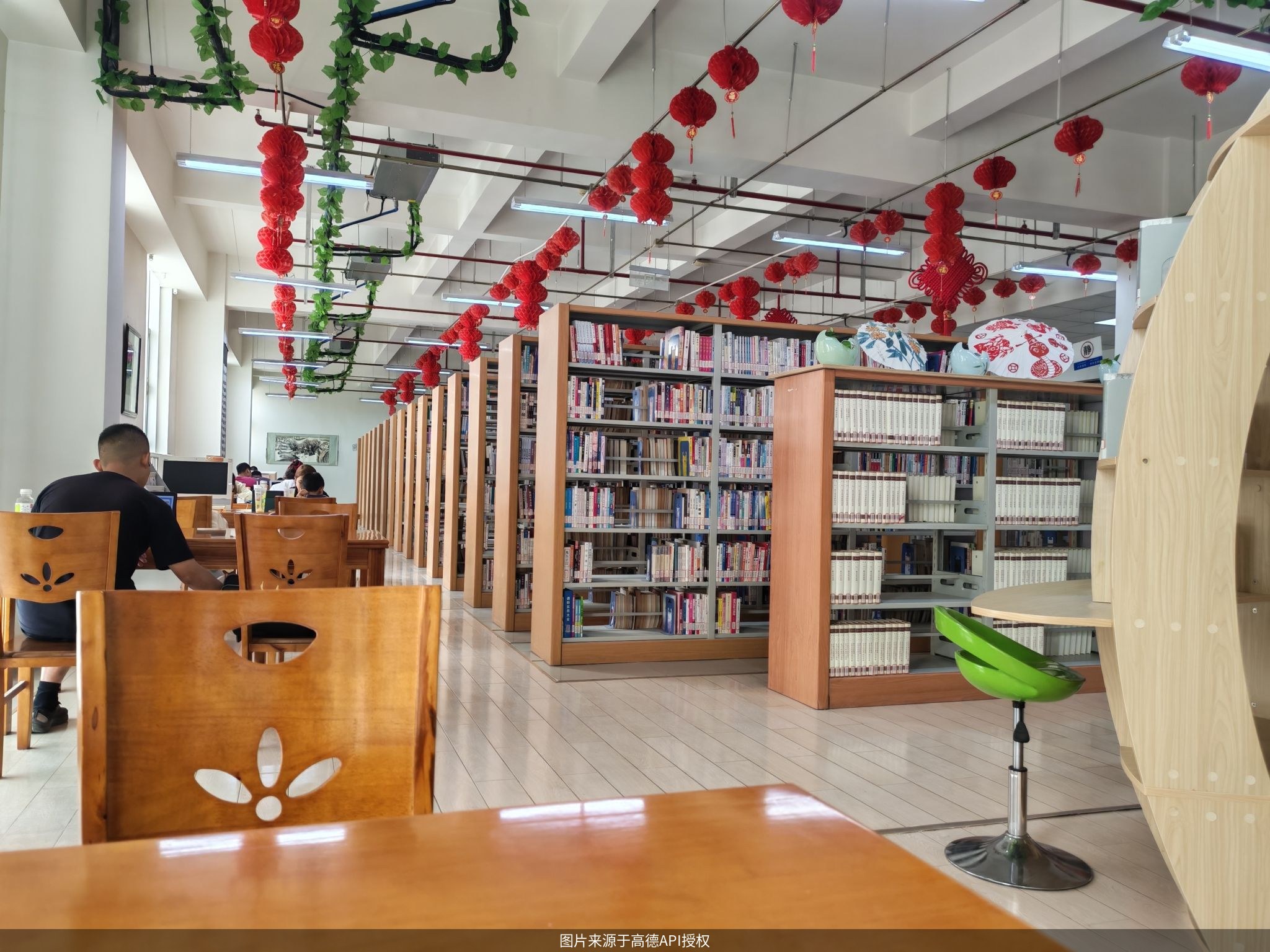
The Shache County Library: A Quiet Corner of a County Town
Rest toward evening in the county library, where this rural line's theme of craft and memory gets filed: local documents and muqam-related volumes open for browsing, the halls cool and quiet, a mercy after two days of sun.
For travelers it is an unexpected stop, threshold-free and open to all, a dignified seat on a county-town afternoon; sign out when done and pick up dried fruits at the nearby market for the ride.
The Sunday Livestock Bazaar: Day Three at Dawn
Day three returns to Kashgar, and if it is Sunday, head straight to the livestock bazaar at dawn, among Central Asia's largest live-animal markets: sheep, cattle, horses and camels traded in heaps, the sleeve-bargaining still genuinely at work, herders' shouts and dust composing the oasis's fiercest morning.
Watching beats buying: read the fingers inside sleeves, listen for the clap that seals a deal; for small goods, saddle gear and leatherwork on the fringe undercut town prices. Greet before shooting, keep clear of busy traders.
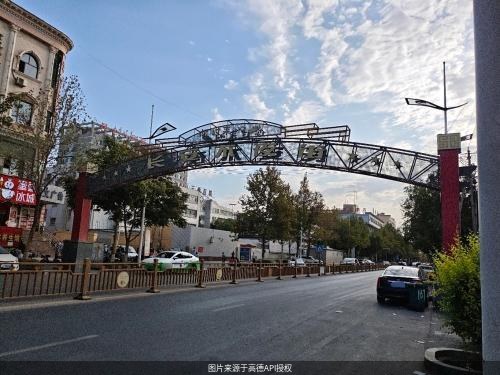
The Chang'an Night Street: Back in Town by Dusk
Back in town by dusk, the Chang'an Night Street, a newer culture-tourism block stringing Silk Road-themed lights, performances and snacks, bright and direct, an interesting counterpoint to the old lanes: one an unsleeping stage, the other unvarnished life.
It closes the rural line well: three days of craft and history, then a final night of bustle, a hot-cooked meal and street performance, landing the journey.
The Congling Performing Arts Center: The Line's Final Bow
The rural line's last night goes to the Congling center, its production themed on the Pamir and the Silk Road, song and dance with scenic staging, dinner on site afterward; the instrument village and muqam origins visited by day echo completely onstage.
Taxi home after the show, and the three days close their loop: a millennium of lutes, centuries of pottery, four hundred years of muqam, one morning of livestock, the oasis's daily life and its stagecraft both held in stomach and memory.
| Getting around |
|
| Budget | Most villages and bazaars are free, hands-on sessions RMB 50-150, Yarkand by train or charter RMB 100-500 pp return, with three days totaling about RMB 700-1200. |
| Best time | May-October is prime; the livestock bazaar runs only Sunday mornings, so build Sunday in; kilns and workshops fire fullest on weekdays; Yarkand bakes in summer, so move at the day's edges. |
FAQs
Is the livestock bazaar truly Sunday only?
The main market holds to Sunday; other days shrink in scale and stock, not worth a detour. Include a Sunday if the calendar allows, drop it cleanly if not, giving the morning to the old town's naan ovens instead. The bazaar is irreplaceable, but so is an itinerary not bent out of shape for it.
Is Yarkand safe, and is it easy solo?
Yes, town and old city run with good everyday order, and solo travel is entirely normal; observe only the usual care, respect customs, keep valuables close, and favor lit main streets at night. Yarkand's low tourism reads as relaxed hospitality, and shopfronts happily give directions.
How do I choose an instrument without musical knowledge?
Buy by use and tier: for keepsake or decor, a few hundred yuan already carries honest workmanship and tone; for a playing instrument, have the owner demo it, record video, note the serial, and pick refundable shops. Musical ignorance is no handicap; you only need to hear the seller's sincerity.
Where do the three days' effort and budget center?
Effort peaks in day two's Yarkand walking and day one's village sun; budget peaks in charter and show tickets. Savings are clear: cap instrument and pottery spending, and day-return Yarkand to save a night. Ticket costs run minimal here; the money goes to craft and performance, well spent.