
Suzhou's walking pleasure comes not from sight density but from sound: the sanxian and pipa of pingtan storytelling, the water-polished arias of Kunqu, the soft rasp of a woodblock print being pulled. This line arranges three sounds into one day, from a morning stage to a late-night market, keeping always beside the old city's waterways.
The Pingjiang historic district forms the skeleton, with both the storytelling and opera museums hidden in its lanes, Taohuawu to the northwest, and the night market returning to Pingjiang Road at dark. The day traces a relaxed loop of about ten thousand steps, paced entirely by the ear.
Itinerary at a glance
| 09:30 | China Kunqu Opera Museum: Morning beneath the Ancient Stage |
| 11:00 | The Suzhou Pingtan Museum: Sitting In on a Session |
| 14:30 | Taohuawu: Printing Your Own New Year Picture |
| 19:00 | The Pingjiang Night Market: Everyday Fire beside the Canal |
The route, stop by stop
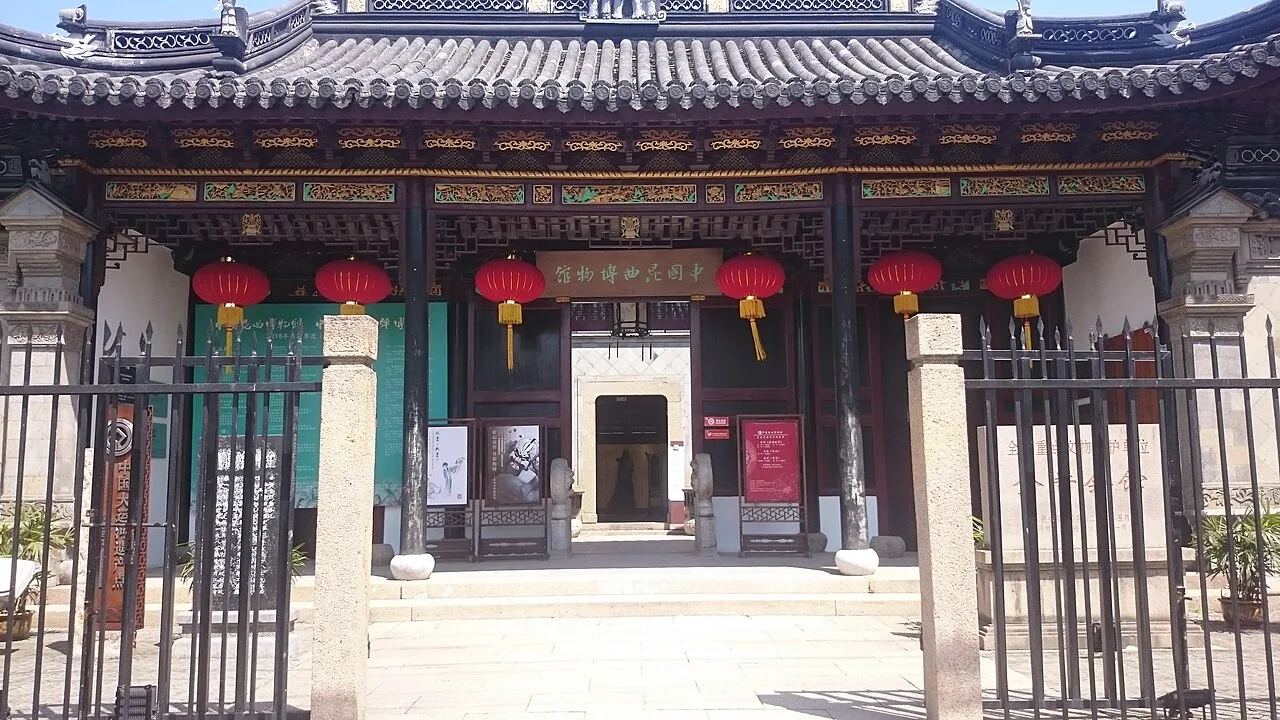
China Kunqu Opera Museum: Morning beneath the Ancient Stage
The Kunqu museum occupies the Qing-dynasty Shanxi guild hall, itself an exhibit: the stage's spiral caisson ceiling gathers the singing and delivers it to every corner, the ancients' answer to theater acoustics. Costumes, scores and old photographs trace the tradition.
Enter at opening when the hall is thin, stand facing the stage, and let the recorded arias play under the caisson, the water-polished melodies never clearer. The reason Kunqu entered the world heritage list explains itself here.
The Suzhou Pingtan Museum: Sitting In on a Session
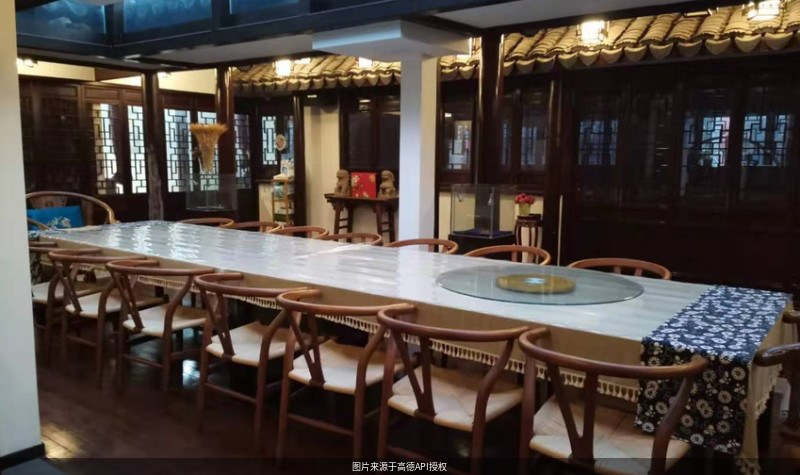
A few minutes' walk from the Kunqu museum sits the Pingtan museum, in the same lanes of the Pingjiang district. Its storytelling house still runs today: for a few yuan of tea seat, you hear an hour of soft Wu-dialect storytelling, a Suzhou routine centuries old.
Not speaking Suzhou dialect is no barrier: the sanxian and pipa interludes, the storyteller's expressions and the gray-haired audience's laughter are the best subtitles. Catch a morning session and sit for half an hour; miss it and return in the afternoon.
Taohuawu: Printing Your Own New Year Picture
The afternoon heads to Taohuawu in the old city's northwest. Taohuawu woodblock prints rank with Tianjin's Yangliuqing as the south-and-north pair of the craft: one color block, one pass, layering door gods, flowers and opera scenes onto the paper.
Many studios open for hands-on sessions; guided by the masters, you pull your own print for a few dozen yuan, the most one-of-a-kind souvenir available. Watch the master's full demonstration first, worth far more than improvising.
The Pingjiang Night Market: Everyday Fire beside the Canal
Night returns to Pingjiang Road. The daytime teahouses change shifts as stalls light up along the canal: sugar painting, malt candy, handmade accessories and fresh plum-blossom cakes in a row, lantern-lit boats sliding slowly through the bridge arches.
Buy a warm plum cake and eat walking, then duck from the main street into the quiet branch lanes around Daru Lane: one wall apart, two Suzhous, one festive under the lamps, one fanning itself in the dark. The gentlest close for a walking day.
| Getting around |
|
| Budget | Both museums are free; storytelling tea and the print workshop carry the spend, about RMB 60-150 for the day. |
| Best time | Any season; spring and autumn walk best, afternoon storytelling sessions are thinnest, and the night market peaks Friday and Saturday. |
FAQs
Is pingtan enjoyable without speaking Suzhou dialect?
Yes. Half the charm lives in the singing and the sanxian-pipa interludes, the other half in the house's atmosphere, where the gray-haired regulars' knowing laughter is the best plot cue. Many houses offer lyric sheets or programs, and beginners should pick short opening pieces, twenty minutes each, the lowest threshold.
Do the two museums need reservations or tickets?
Both museums are free, though some venues require online booking during peak seasons or special exhibitions, so check official notices before setting out. Storytelling tea is paid on site at a few yuan per seat, while the print experience charges separately and needs a confirmed time slot.
How do I choose between this and the garden route?
Decide by weather and mood: the garden line feeds on light and owns clear days, while the walk feeds on atmosphere and improves in rain, when Pingjiang empties. With two days, give each a day; with one day already spent on the Administrator's Garden, compressing this route to the night-market end still works.
Is the night market worth buying from?
Eat the snacks on the spot: plum-blossom and begonia cakes demand heat, so buy and go. Handmade accessories and small cultural goods price modestly and gift well; but silk and jade stalls on the main street run deep water, buy only if you know the trade, and go to proper stores for real silk.