
Suzhou cuisine's base notes are sweet and umami, its tempo unhurried. This eating day follows the old Suzhou clock: shengjian with clear broth to open, Songhelou's proper table at noon, noodles in mid-afternoon because that is exactly when Suzhou eats them, and an old shop on Shantang to close.
The day's sweetness and freshness escalate: the shengjian's sugar hides in the filling, the fish's in the glaze, the noodles' in the broth. Keep a third of your stomach in reserve at every stop; the small bowls look gentle, but four sittings in a row is a real match.
Itinerary at a glance
| 08:00 | Yaba Shengjian (Lindun Road): The Opening Bite |
| 12:00 | Songhelou (Guanqian): The Proper Table and the Squirrel Fish |
| 15:30 | Tongdexing (Jiayufang): An Afternoon Bowl of Clear Broth |
| 18:00 | Rongyanglou: A Century-Old Close on Shantang Street |
The route, stop by stop
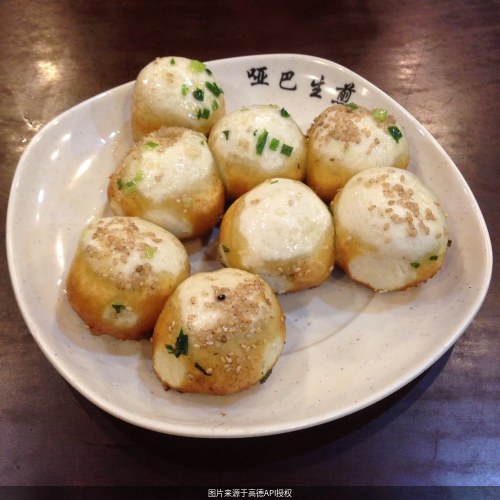
Yaba Shengjian (Lindun Road): The Opening Bite
A Suzhou day opens with a plate of shengjian. Yaba's is the Lindun Road institution: thin skin, crisp base, generous soup, pleats pinched tight; nip a hole to vent before biting, or the first mouthful scalds. Pair with clear broth or soy milk to cut the oil.
Suzhou-style shengjian differs from Shanghai's in the dough, softer and noticeably sweeter. Take the first plate plain; skip the vinegar as most locals do, unwilling to mask the filling's sweetness.
Songhelou (Guanqian): The Proper Table and the Squirrel Fish
Noon's proper table belongs to Songhelou, the flagship of Suzhou cuisine founded in the Qianlong era. Its squirrel mandarin fish is knife-scored, dusted, deep-fried and dressed in sweet-sour glaze, arriving shaped like a squirrel with a creaking squeal, crisp, sweet and tart at once.
Order silverfish scrambled egg or stir-fried shrimp alongside, a lesson in how Suzhou cuisine spells umami. The squirrel fish insists on heat; cooled, the crust softens and the sweet-sour turns mute.
Tongdexing (Jiayufang): An Afternoon Bowl of Clear Broth
Half past three is Suzhou's second noodle window. Tongdexing's Fengzhen pork noodles hold noble rank among Suzhou bowls: a white broth sharpened by eel bones and fermented rice, milky and faintly wine-scented, the braised pork collapsing at a chopstick's touch.
Suzhou noodles run on dialect: wide or narrow broth, firm or soft noodles, so recite a phrase of the lingo and the cook knows you know. Fengzhen pork traditionally plays only in summer, but off-season braised pork and fried-fish bowls earn their keep.
Rongyanglou: A Century-Old Close on Shantang Street
By evening, shift to Shantang Street and hand dinner to the old Rongyanglou. The fried glutinous dumplings are the signature: wrapped and fried to order, the rice shell golden and faintly crisp, the pork filling scalding inside, paired with braised-pork noodles, the template of an old Suzhou supper.
Afterward walk the canal to Tonggui Bridge for the night view, digesting the day's sugar and umami. With room left, a begonia cake from a stall by the bridge completes the circle.
| Getting around |
|
| Budget | The day's food runs about RMB 150-300 pp; the squirrel fish carries the budget, with noodles and shengjian at RMB 20-40 each. |
| Best time | Any season; Fengzhen pork noodles traditionally run summer-only, so May-October times it best, and noodle houses relax after the one o'clock lunch rush. |
FAQs
Do four sittings overload one day?
Not at Suzhou portions: start shengjian at one liang, cap noodles at one bowl, split the fish between two, and stop at seventy percent each time. The real risk hides in sweets and fermented-rice drinks, so skip sugary beverages, leave the sweetness to the dishes, and the day holds.
Does Songhelou take reservations, and what about crowds?
The old house runs mainly on walk-in queues, with some branches offering online queue numbers; thirty-minute waits at mealtime are normal. The fix is off-peak seating, before 11:30 or after one. If waiting loses its charm, the Guanqian area's other Suzhou kitchens cook well, so choose open kitchens cooking to order.
Fengzhen noodles are summer-only, so what off-season?
The white-broth craft of Fengzhen pork depends on summer's fermented rice, traditionally served May through October. Off-season, order braised pork or fried-fish noodles on the red-broth track, losing nothing in umami. Determined on Fengzhen, schedule Suzhou for May-October; one bowl justifies the timing.
What if sweet-leaning food is not my habit?
Suzhou's sweetness is a base note, not the lead; salt and umami never leave the stage. Ask for less sugar when ordering, adjustable in most dishes; shengjian and noodle sweetness is fixed but mild. Carry unsweetened tea to reset the palate between meals, and your tolerance returns.