
Suzhou's shopping map splits in two: the mall city and the craft city. This route walks half of each: morning and afternoon to two new malls, dusk returning to the city's most famous craft, Su embroidery, and night closing with one-stop hauling.
Three rules for the day: standardized mall goods price the same everywhere, so buy where convenient; for embroidery, trust only studios with embroiderers stitching in view; and for silk and tea souvenirs go to proper stores, never scenic-area stalls.
Itinerary at a glance
| 10:00 | Suzhou Joy City: The Opening Haul |
| 13:30 | MixC World Suzhou: An Afternoon of Open-Block Shopping |
| 16:00 | Su Embroidery: Pay Only after Watching the Needle |
| 19:00 | AEON Mall Suzhou Yuanqu Hudong: The One-Stop Close |
The route, stop by stop
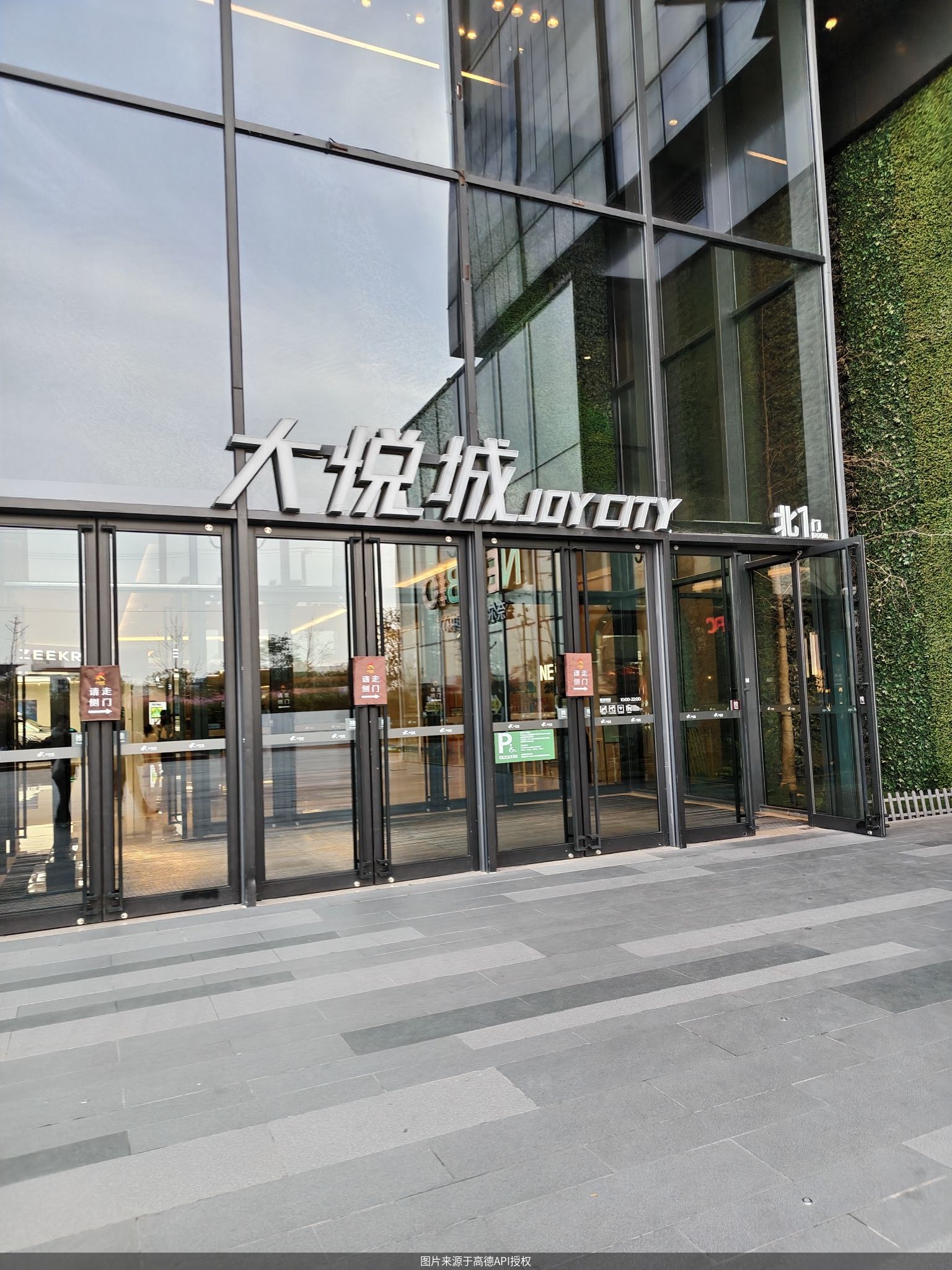
Suzhou Joy City: The Opening Haul
The morning belongs to Joy City. A full-range mall concentrating beauty, sport and lifestyle brands on simple circulation, it makes the ideal first stop: clear the standardized items off your list early and save later hours for things that need choosing.
The basement and dining floors offer plenty, so lunch can happen here. Morning footfall is the day's thinnest, with fitting rooms and registers free of lines.
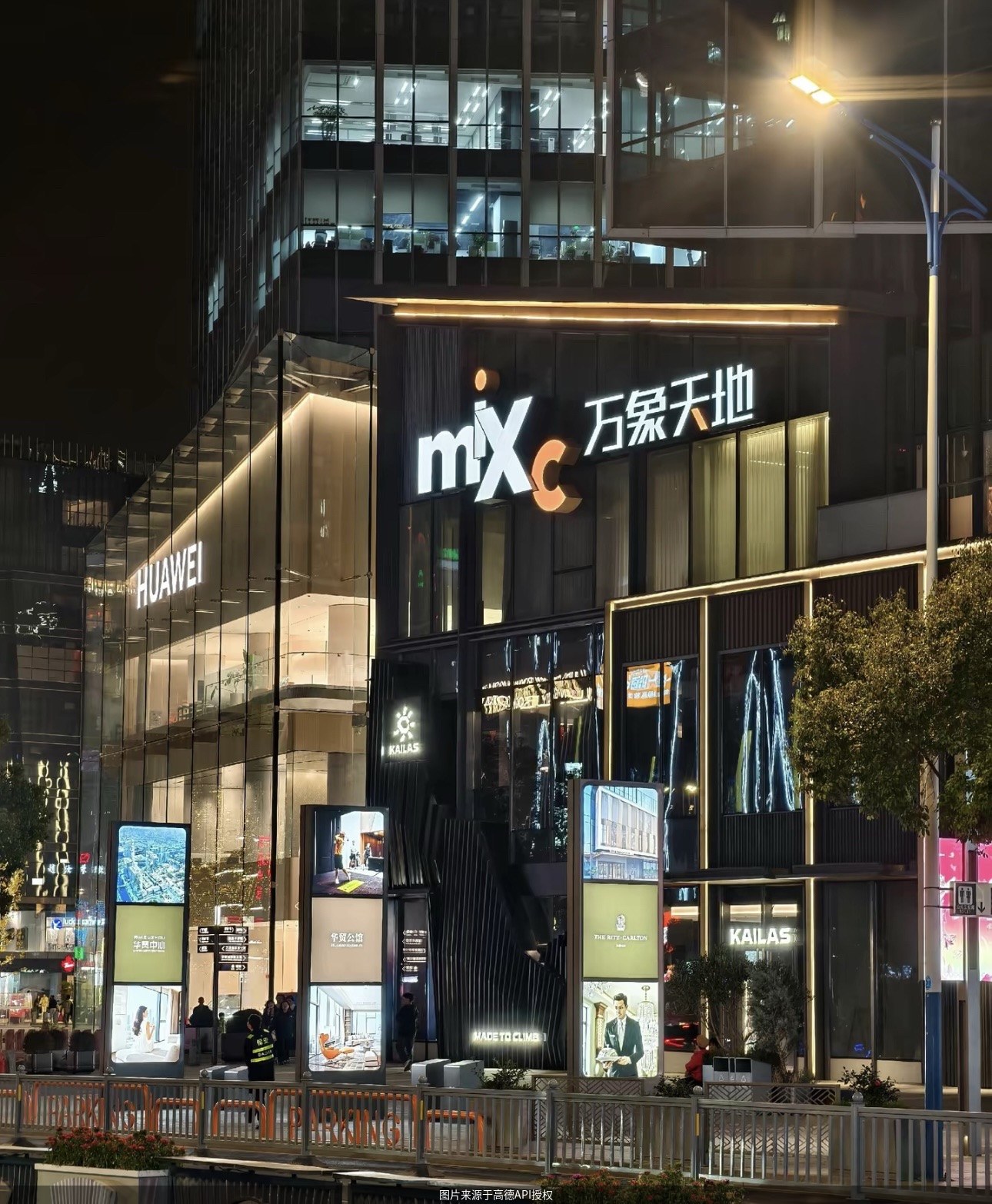
MixC World Suzhou: An Afternoon of Open-Block Shopping
The afternoon shifts to MixC World. Unlike enclosed malls, this is open-block retail: flagship stores and select shops strung along outdoor walkways, the feeling closer to strolling a park than marching a corridor.
Its strength lies in design and lifestyle: home goods, fragrance and local designer stores deserve a dedicated hour. Coffee and dessert spots cluster densely, so mid-shopping rests are easy to find.
Su Embroidery: Pay Only after Watching the Needle
By dusk, return to the city's oldest craft. Su embroidery ranks with Hunan's, Guangdong's and Sichuan's schools among the four great traditions, with double-sided work as the house specialty: one fabric, two faces, a cat's eye or goldfish tail shifting expression in the light.
The buying test is simple: whether threads split to a single strand, whether stitch rows follow the grain, whether color grades flow naturally. Studios with an embroiderer stitching in view earn trust; machine work undercuts on price but shows coarse thread-lines under a close look.
AEON Mall Suzhou Yuanqu Hudong: The One-Stop Close
Night hands the last stop to AEON Mall at the park's east side. The Japanese mall's strength is its supermarket and household goods: food souvenirs, stationery and small appliances all settle in one pass through the ground-floor market at transparent prices.
The pastry and tea section is the souvenir finale; Suzhou pastries keep poorly, so buy the day's batch. The mall closes late, letting you clear every remaining list item after dinner and call the shopping day complete.
| Getting around |
|
| Budget | Budgets swing wide: small embroidery pieces start around RMB 200 with mall spending extra; set aside RMB 500-1000 pp. |
| Best time | Any season; seasonal and festival sales cut deepest, while embroidery studios keep their masters in on weekday afternoons, stitching before your eyes. |
FAQs
Do four stops fit into one day?
Yes, with time discipline: two hours each at Joy City and AEON, ninety minutes at MixC World, one hour for embroidery, plus about two hours of transfers. Buying souvenirs only, drop one mall and lift embroidery to mid-afternoon, and the day breathes.
How do I judge whether an embroidery piece is worth it?
Three indicators: the finer the split thread the costlier, since one-to-two-strand work only hands achieve; whether stitch rows follow the subject's grain; and the back's tidiness, with hand work neat and machine work tangled. Price tracks labor, so even small hand-embroidered pieces start in the hundreds.
Where can I buy silk souvenirs reliably?
Stick to proper stores and mall counters: branded silk houses price high but guarantee authenticity, and mall counters accept returns. Street silk wholesale markets run deep water; without authentication skills, avoid them. On tight budgets, pick small pure-silk scarves and eye masks, ample choice in the fifty-to-two-hundred range.
How do mall prices compare with online?
Standardized goods price at parity, with offline buying buying instant experience and easy returns; local specialties like silk, embroidery and tea transact more transparently offline, where you inspect goods and question craft. Supermarket souvenirs undercut scenic stalls by twenty to thirty percent, the day's most honest discount.