
Suzhou's cultural wealth stacks in four layers: a thread of silk, a stretch of Wu land, a sheet of paper, a phrase of melody. This line walks each: morning watching a cocoon become cloth at the silk museum, afternoon reading three millennia of Wu heritage, dusk hand-printing a Taohuawu woodblock, night closing on one Kunqu performance.
The day's keywords are hands and ears: silk and prints you touch, Kunqu you hear and, without understanding a word, still follow. The stops spread between the old city and Wuzhong district, transfers needing taxis, so budget the time generously for an unhurried day.
Itinerary at a glance
| 09:00 | Suzhou Silk Museum: Three Millennia on a Single Thread |
| 13:00 | The Suzhou Wu Culture Museum: Three Millennia of Wu |
| 16:00 | Taohuawu Woodblock Prints: Pulling Your Own Door God |
| 19:30 | Kunqu: The Water-Polished Aria at Night |
The route, stop by stop
Suzhou Silk Museum: Three Millennia on a Single Thread
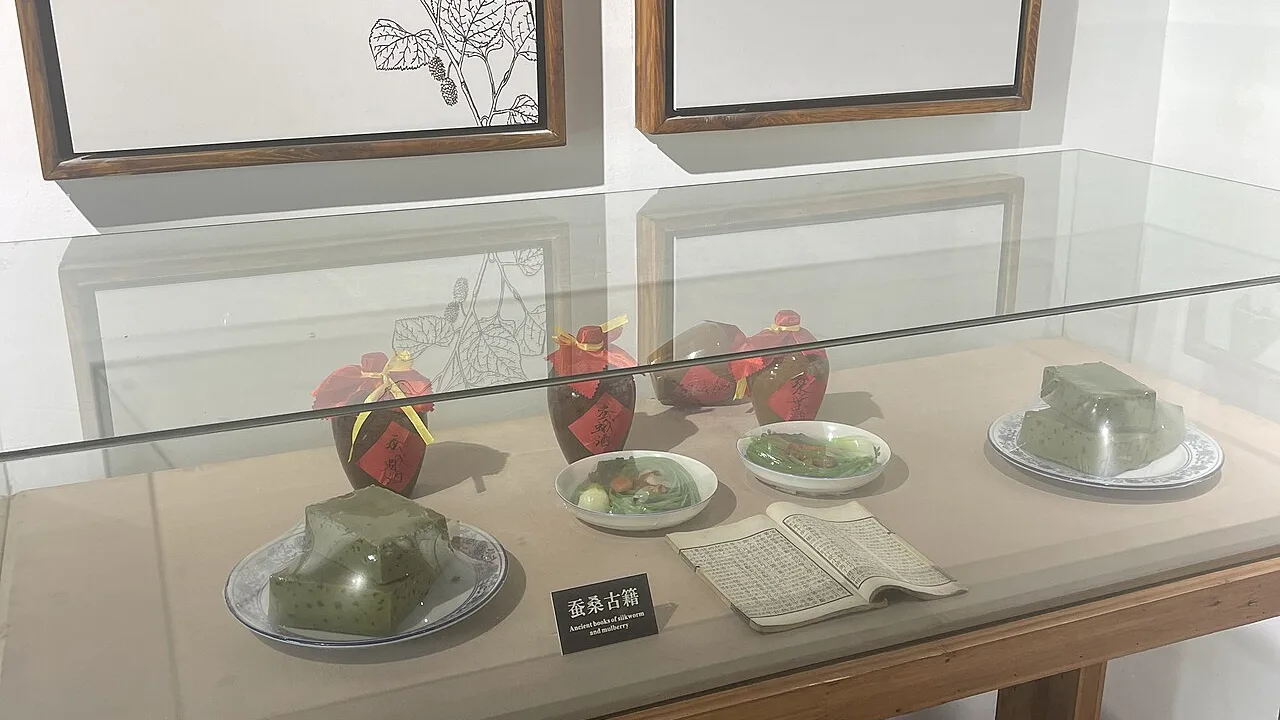
The museum starts from the silkworm: cocoons, reeling, weaving, dyeing and finishing, the whole silk chain unrolled through the galleries, ancient looms and contemporary reconstructions shown side by side, with the old Bureau of Imperial Silk's story and the crafts of Song brocade and kesi tapestry told in detail.
The must-see is the living display: master weavers working reconstructed looms on the spot, kesi advancing one slow shuttle at a time, calming to watch. Understand the loom and every silk price tag in the shops reads differently afterward.
The Suzhou Wu Culture Museum: Three Millennia of Wu
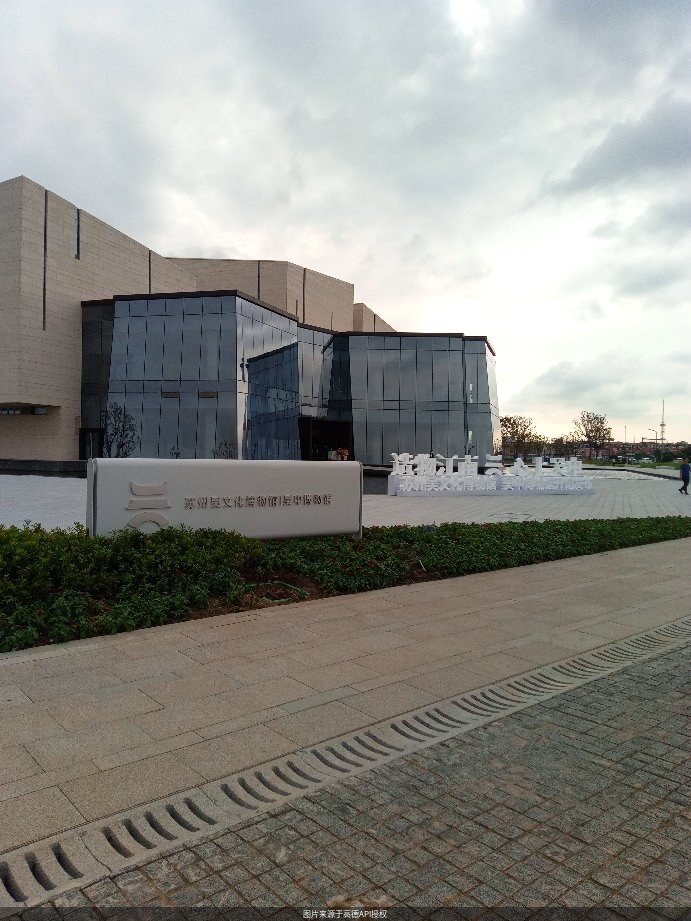
The afternoon moves to Wuzhong district. The Wu Culture Museum is where the Wu lands' origins live: from Liangzhu jades and bronze swords to rice farming and waterside settlement, the exhibitions answer, systematically, why Suzhou grew into Suzhou.
The special exhibitions hold a steady bar, and the permanent galleries' interactive installs reward patience. With time after, walk a stretch of the lakeshore paths outside and see the water-and-soil of those three millennia with your own eyes.
Taohuawu Woodblock Prints: Pulling Your Own Door God
By late afternoon, return to Taohuawu in the old city's northwest. Woodblock prints layer one color block per pass, the door god's armor and opera scenes developing on the paper, Taohuawu and Yangliuqing standing as the south-north pair of the craft.
Studio sessions run under the masters: watch the full printing demonstration first, then ink, lay paper and burnish your own, a few dozen yuan for a print you pulled yourself. That sheet out-earns any souvenir from a mall.
Kunqu: The Water-Polished Aria at Night
The day closes on the ears. Kunqu, ancestor of a hundred operas, bends every syllable three ways in its water-polished arias, and a night program of highlights is the gentlest entry: one act twenty minutes, singing, speech, movement and dance complete, while garden-setting performances are the pricier advanced course.
Start with the Wander in the Garden and the Startled Dream acts of the Peony Pavilion, clearest story and most famous arias. Lost in the lyrics, read the subtitles down and the gestures up; the water sleeves and stage steps are the opera themselves.
| Getting around |
|
| Budget | Museums run mostly free; the print workshop and the opera ticket carry the day, about RMB 80-300 pp. |
| Best time | Year-round in climate-controlled halls; Kunqu plays most on weekends, while both museums close Mondays, so plan around them. |
FAQs
Do both museums need reservations?
The silk museum is free year-round with some time slots requiring online real-name booking; the Wu Culture Museum is free with heavier booking demand on weekends and for feature shows. Checking official notices a day ahead is safest, and both close Mondays, so keep the route off Mondays.
What if I cannot understand Kunqu?
Entirely normal; most local audiences lean on subtitles too. The highlight-act magic is that gesture and music form a language of their own: water sleeves, steps and percussion narrate the plot. Start with famous acts like Wander in the Garden and the Startled Dream, and skim a ten-minute synopsis online so the theater never loses you.
Is the woodblock printing session worth the time?
Yes, if you choose well: studios led by masters through a full demonstration far outclass self-serve stalls. The whole session runs forty minutes to an hour for a few dozen yuan, the day's only hands-on moment, complementing a day of museum viewing and solving one souvenir at a stroke.
Are the four transfers exhausting?
Moderate: two old-city legs go on foot or metro, while the Wu museum is the only long haul, about eighty minutes round trip by taxi. Depart around two, enter by three, leave before five, and the transfer smooths out. Limited energy can drop the Wu museum and move the printing session earlier.