
If citywalk had a native habitat, this would be it. The streets here are built to a pedestrian scale: two- and three-story mansions line the sidewalks, plane-tree shadows fall across brick walls, and every third doorplate carries a story. Tianjin's modern history does not announce itself; it hides in these courtyard walls, one after another.
The route is a loop. From Minyuan Square, head south through Machang and Munan Roads, curl back along Dali and Changde Roads, then exit the concession quarter east along Hebei and Chifeng Roads to land at the Porcelain House. Six kilometers all told, walking and biking mixed, with two proper sit-downs built in. No rushing.
Itinerary at a glance
| 09:00 | Minyuan Square: A Living Room Grown from a Stadium |
| 09:40 | Munan & Dali Roads: Reading the Brick Walls |
| 12:00 | Lunch: Black-Garlic Beef at Guiyuan |
| 13:30 | Xinnong Courtyards & Minyuan Xili: A Slower Half-Beat |
| 15:30 | East on Hebei Road: The Ge-da Tower & the Zhang Residence |
| 17:30 | The Porcelain House Finale, Then Across the River |
The route, stop by stop
Minyuan Square: A Living Room Grown from a Stadium
Minyuan Square began life as the Minyuan Stadium of the 1920s, rebuilt from the British concession racecourse, where Eric Liddell of Chariots of Fire trained on this very track. The renovation kept the running ring, laid the middle with lawn, and wrapped the perimeter in cafes and restaurants, every route through the avenues fans out from here.
At 9:00 am the track belongs to Tianjin's morning exercisers, not tourists. Walk a half lap to warm up, pick up the hand-drawn map at the visitor center, and the next six hours have their skeleton.
Munan & Dali Roads: Reading the Brick Walls
Munan Road is the most walled-in of the avenues: high courtyard walls, dense greenery, doorplates thick on the ground, many houses showing only a gatehead. The pleasure here is matching plaques to gates, who lived in which house, at what rank, and where they went next. Half a century of modern history turns its pages underfoot.
Dali Road is looser, its plane trees meeting overhead, shade enough to skip the umbrella in summer. Duck into the alleys between the two: a brick courtyard gate, a carved lintel, crabapple leaning over a wall, more than a day's worth of frames. There is no checklist here; the district itself is the sight.
Lunch: Black-Garlic Beef at Guiyuan
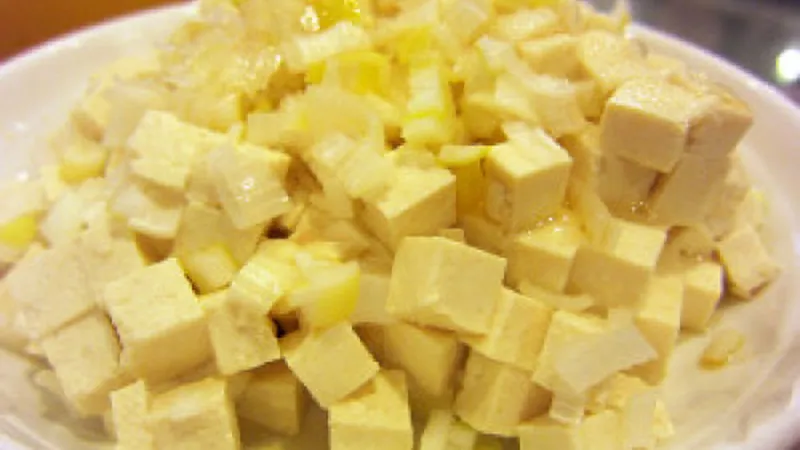
Guiyuan has been at the edge of the avenues for over thirty years, a Tianjin kitchen inside an old mansion. Black-garlic beef cubes, baben tofu and the crackling zengbeng carp are the signatures, about RMB 120 per head. It sits right on the line home from Munan Road, seated before 12:30, you usually skip the queue.
Vegetarian or going light: the Western cafes around Minyuan Square are the alternative. This corner of Tianjin has the city's deepest Western kitchen tradition, even a pot-braised beef carries decades in it.
Xinnong Courtyards & Minyuan Xili: A Slower Half-Beat
Xinnong Courtyards and Minyuan Xili are two restored courtyard compounds of red-brick houses opening onto inner yards, now home to bookshops, select stores, florists and small exhibitions. This is where you drop a gear: browse old books, look at contemporary craft, and note that the cats here have long since claimed the best sun.
The two compounds are minutes apart. Most shops are run by local owners at honest prices, and even without buying you can step in to see how these small houses are built inside, a cross-section you cannot get from the street.
East on Hebei Road: The Ge-da Tower & the Zhang Residence
Heading north-east along Hebei Road you pass the Ge-da Tower, a British-style house whose facade was repaired with kiln-glazed porcelain shards, gathering a bumpy texture that gave it its name. The same owner later did the Porcelain House, you can see they are siblings at a glance.
On Chifeng Road, the Zhang Xueliang Residence is a highlight of the day: three stories, home to the Young Marshal and Miss Zhao Si for seven years, interiors restored to their original arrangement, entry about RMB 45. Walking its floors gives you a concrete sense of who lived behind all those closed courtyard gates along the avenues.
The Porcelain House Finale, Then Across the River
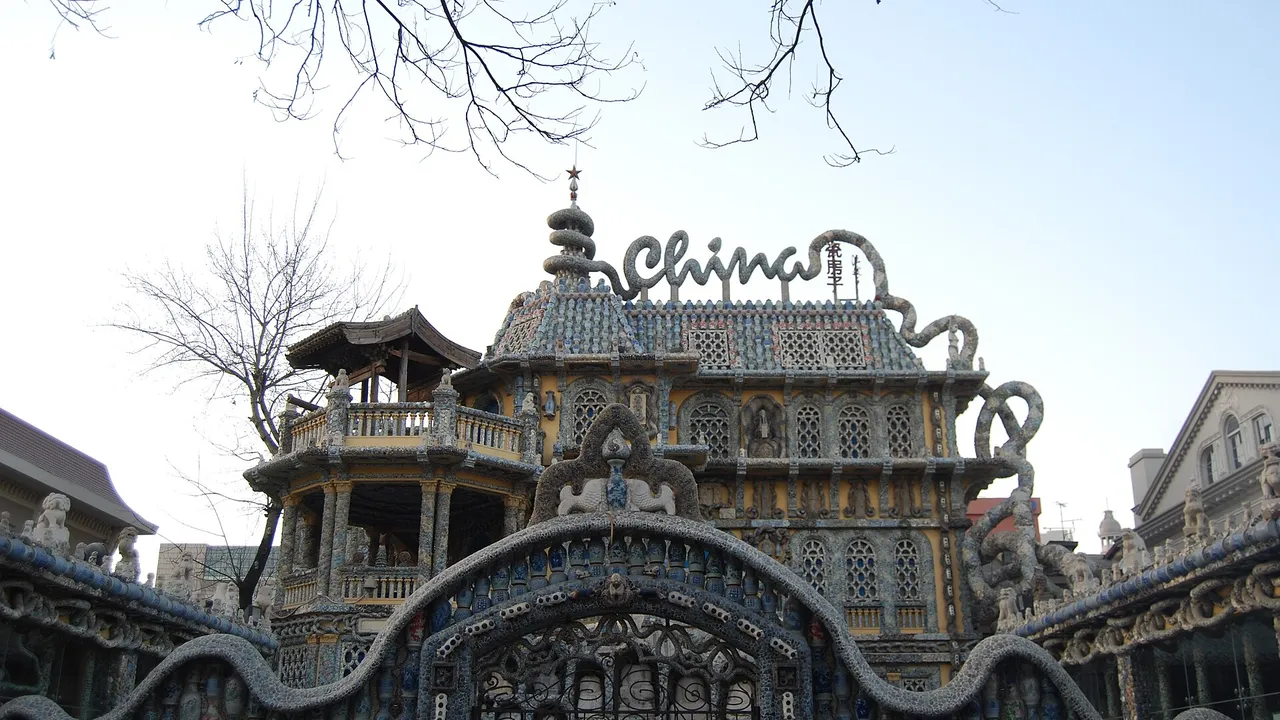
Five minutes on foot from the Zhang Residence is the Porcelain House, the walk's terminus. Evening crowds are thinner than at noon, and in the slanting light the glaze on the shards reads better, with or without a ticket, this is the day's signature frame.
End by crossing Liberation Bridge to Jinwan Plaza and watching the French facades light up from the riverbank, or duck into a local kitchen on Chifeng Road for dinner. Two kilometers of radius, a whole afternoon, and your legs now know the density of this city.
| Getting around |
|
| Budget | Entry (Zhang Residence, optional Porcelain House) plus two coffees and a meal: about RMB 100-200 pp |
| Best time | Spring and autumn are the kindest; right after rain the brick colors deepen, prime shooting hours |
FAQs
Do the Five Great Avenues need tickets?
The district is free; individual house museums charge separately, the Zhang Residence about RMB 45.
Walk or bike the avenues?
Bike, shared bikes are the flexible choice; if you want just one street in depth, walk it.
How long does the citywalk take?
Six to seven hours with lunch and two sit-downs; four hours at a marching pace.
Is the Zhang Residence worth entering?
Yes, the restored interiors are among the best of the open houses on the avenues, about RMB 45.