
Tianjin's culture was minted by the docks: boats from north and south unloaded cargo at the Sancha River junction and left behind their crafts and their jokes. So the city's most serious cultural experiences come down to three: the crafts (Clay Figure Zhang, Yangliuqing woodblock prints), the sound (crosstalk and traditional songs), and the museum that explains the river feeding it all.
The day runs crafts, then sound, then documents. Morning in Ancient Culture Street to see the heritage shops complete; midday in a teahouse for a proper crosstalk session; afternoon in the Tianjin Museum for where the city came from; early evening in the old opera stage of the Guangdong Guild Hall. Metro and walking only, easy pace.
Itinerary at a glance
| 09:00 | Ancient Culture Street: Three Crafts, One Morning |
| 11:00 | Teahouse Crosstalk: Tianjin Dialect at the Head Table |
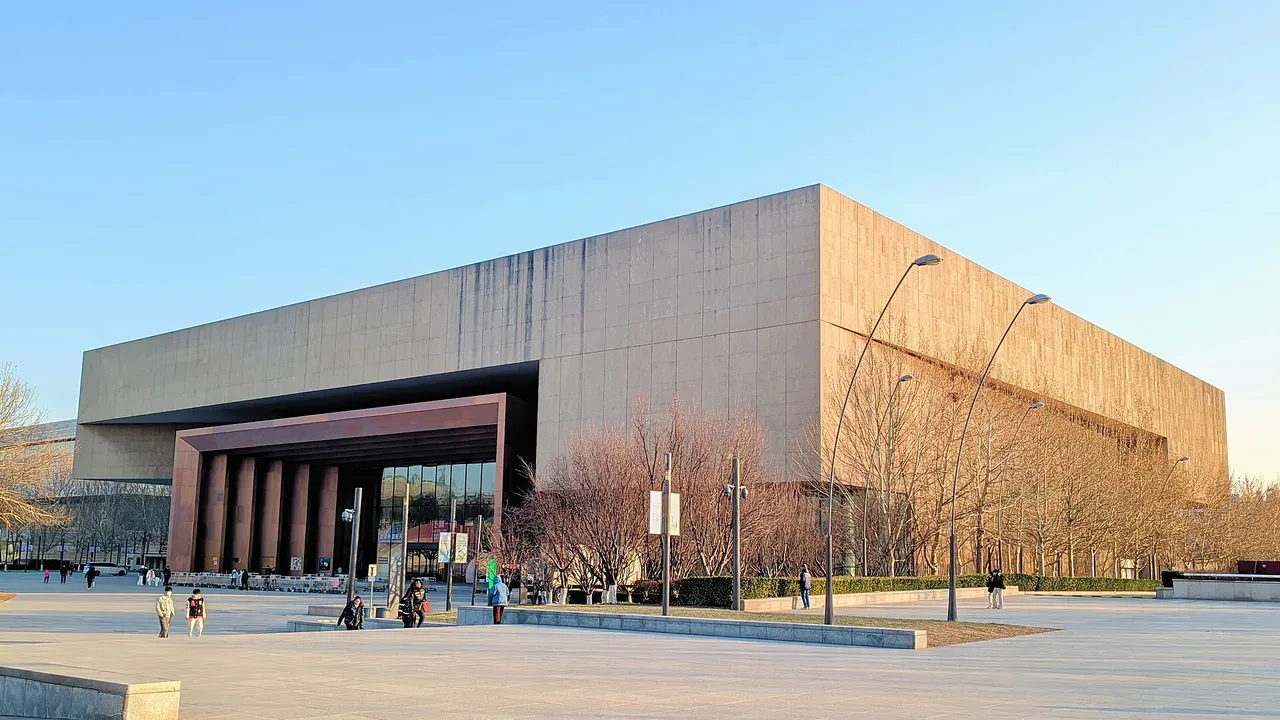
| 14:00 | Tianjin Museum: How a River Raised a City |
| 16:30 | The Zhang Xueliang Residence: A Footnote in a Mansion |
| 18:00 | The Guangdong Guild Hall: A Curtain Call on an Old Stage |
The route, stop by stop
Ancient Culture Street: Three Crafts, One Morning
Nine in the morning is the right hour for the crafts. Behind the counter at Clay Figure Zhang, a lump of clay becomes a figure in minutes; in the Yangliuqing print shop you can see the working stencils of the gou-ke-yin-hui sequence, draw, carve, print, paint, the hybrid print-and-paint technique unique to Yangliuqing; and on Kite Wei's racks, kites smaller than your palm really do fly.
The Tianhou Palace mid-street deserves the entry fee: this temple to Mazu predates the founding of Tianjin itself, first came the palace, then the city, as the saying goes. Twenty minutes inside covers the goddess, her attendants and the stone inscriptions: the city's point of origin, done properly.
Teahouse Crosstalk: Tianjin Dialect at the Head Table
Crosstalk in Tianjin runs sessions morning, noon and night. The Qianxiangyi Garden performs in a century-old opera house on Guyi Street; the Mingliu Teahouse has venues near Culture Street. Day sessions usually start at 11:00 and 14:00, tickets from RMB 40, and the good seats want a day-ahead booking, locals arrive early to get a pot of tea going first.
First-timers: sit close but not row one. When performers go off-script (the improvised riffing called xian'gua), the front row is expected to banter back, and Tianjin audiences' comebacks are a bonus match you cannot buy a ticket for anywhere else.
Tianjin Museum: How a River Raised a City
The Tianjin Museum sits in the Cultural Centre district, direct by metro, free with a WeChat reservation, closed Mondays (national holidays excepted). The permanent galleries follow the city's own chronology: grain-shipping wharves to nine foreign concessions, the Self-Strengthening era to modern industry, the Hai River sedimented through every layer.
The shortcut through it: find two things. First, Qing-era documents on grain transport and the salt trade, which explain where the money came from; second, concession-era maps and photographs, which explain who built those mansions and for whom. With those two in hand, the morning's craft shops and the avenues connect into one net.
The Zhang Xueliang Residence: A Footnote in a Mansion
A twenty-minute ride from the museum to Chifeng Road. The Zhang Xueliang Residence is the 3-D footnote to the morning: for seven years in the 1920s the Young Marshal and Miss Zhao Si lived in this three-story mansion, its rooms restored to their original furnishing, entry about RMB 45. The museum gave you the timeline; this gives you its texture, gramophone, old furniture, fireplace, and how a living room was assembled in that decade.
The Guangdong Guild Hall: A Curtain Call on an Old Stage
The Guangdong Guild Hall in Nankai District is Tianjin's best-preserved Qing-era opera stage, now a theater museum. The domed caisson over the stage needs no amplification, the acoustics carry a sung line to the last row; the wooden house is itself an instrument. Entry is cheap, and if your visit overlaps a performance slot, hearing one act from a century-old stage is the finest way to end the day.
For dinner, the streets around South Gate Outer Avenue are dense with Tianjin kitchens and noodle shops, join the queue with the most locals and you will not go wrong.
| Getting around |
|
| Budget | Crosstalk from RMB 40, temple/residence/hall entries plus two meals: about RMB 150-280 pp |
| Best time | Avoid Mondays (museum closed); for evening crosstalk, slot the museum early afternoon |
FAQs
Will I miss the jokes without Tianjin dialect?
The core is standard Mandarin; dialect bits cost you maybe two or three of ten jokes, and the room's energy covers the rest.
Should I book crosstalk tickets ahead?
Weekday day-sessions sell at the door; for weekend evenings book a day or two ahead. Tickets from RMB 40.
Does the Tianjin Museum need a reservation?
Yes, free real-name booking on the WeChat account, closed Mondays.
Can all this fit in one day?
Yes. The route is clocked out at one to two hours per stop, no rushing required.