
Turpan's cultural density outruns its city size: one museum holds giant rhino fossils, mummies and thousand-year documents together, one karez system waters a naan culture, one minaret writes the whole history of ornament in brickwork, one ruined city keeps urban planning in raw earth. The line runs read-then-see: the morning builds the timeline at the museum, and every object afterward acquires coordinates.
The day's most exacting segment is last: Jiaohe at sunset. Summer sunsets stretch past 21:30, so a twenty o'clock entry catches the light's two gentlest hours, daytime scorch retiring while the low sun ignites the walls layer by layer. Avoid the museum's Monday closure, keep this rhythm, and one day carries the culture load of three elsewhere.
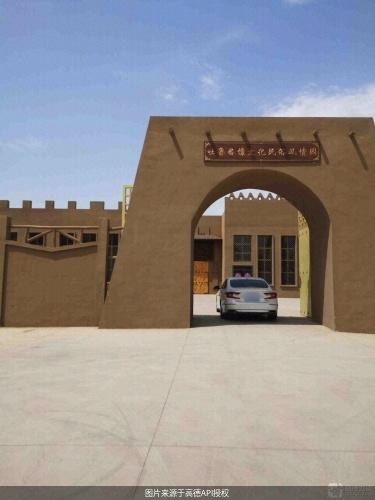
Itinerary at a glance
| 10:00 | The Turpan Museum: The Basin's Time Capsule |
| 14:00 | The Turpan Naan Culture Folk Park: A Living Lesson after Noon |
| 17:30 | Sugong Minaret: Ornament Written in Brickwork |
| 20:00 | Jiaohe at Sunset: The Earthen City Lit by the Setting Sun |
The route, stop by stop
The Turpan Museum: The Basin's Time Capsule
This prefecture-level museum holds national first-class status, with three signature exhibits carrying Turpan's full depth: a complete giant rhino fossil narrating a warm basin twenty million years ago; the mummy gallery showing how extreme aridity replaced any embalmer; and the document hall, where contracts and letters record how ordinary Silk Road people signed deals and wrote home.
Work top-down: rhino first, then documents, mummies last, emotion approaching from the far end. Rent the audio guide, the region's layered languages resist reconstruction from labels alone. Two hours later, every ruin and cave of the coming days has its footnotes.
The Turpan Naan Culture Folk Park: A Living Lesson after Noon
Naan in Turpan is more than food, it is the oasis's savings account: keeps long, resists dryness, pairs with tea or meat alike. The folk park spreads the naan family tree, round nests, oil-rich, sesame-crusted and wafer-thin forms each with shape and purpose, with pit construction and slapping technique demonstrated, all indoors and cool through the day's cruelest hours, slotting exactly into the heat window.
Hands-on sessions let you bake your own; the master passes the dough into your hands. Tear the finished naan hot, wheat perfume direct. Every roadside naan pit of the following days reads differently afterward.
Sugong Minaret: Ornament Written in Brickwork
The minaret enters its second state at dusk: raking light gives the ochre brick geometry dimension, fifteen patterns cycling around the shaft with not one glazed tile, all ornament achieved by masonry alone, a Qing-era Islamic tower with no peer in the Chinese pagoda sequence.
The mosque hall's raw-earth and timber structure merits equal attention, light falling through high windows into a hushed prayer space. Dress conservatively, keep voices low, and ask before photographing inside. The hour before sunset is the tower's photographic best.
Jiaohe at Sunset: The Earthen City Lit by the Setting Sun
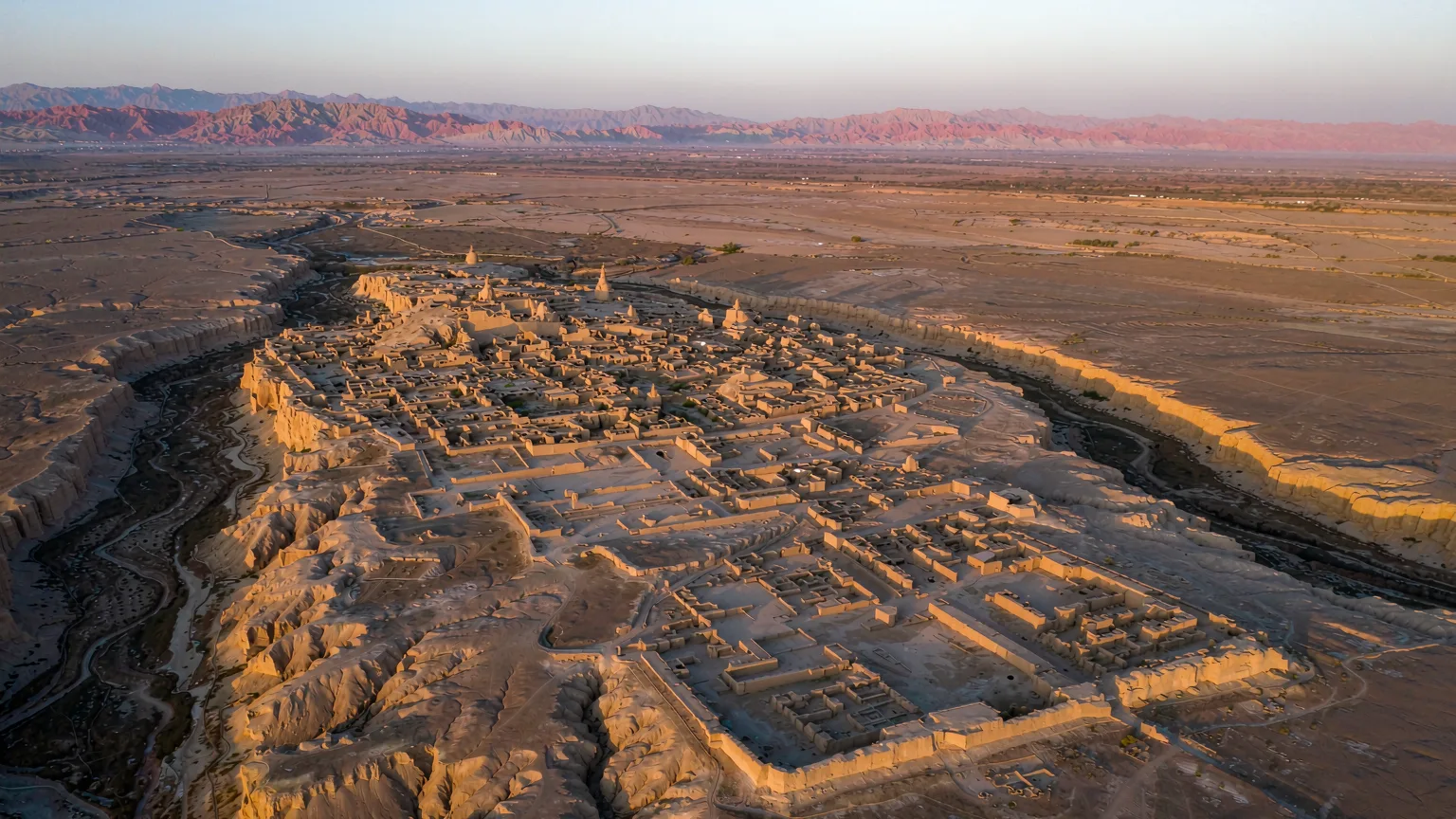
In a Turpan afternoon of forty degrees, Jiaohe at eight in the evening is another world: heat lifting off the ground, wind turning cool, the setting sun lighting the two-thousand-year-old walls from the west while the central avenue's shadows lengthen. The carved city finally shows its true character at this hour, solemn, silent, magnificent.
Summer sunsets run 21:00-21:40, so a twenty o'clock entry covers the whole play of light: the stupa district turning gold first, the offices' shadows merging next, and the entire plateau sinking into dusk from the overlook at last. History and light peak in the same hour, the ninety minutes a Turpan day must not miss.
| Getting around |
|
| Budget | The museum is free with booking, the naan park about RMB 40-50, the minaret RMB 40-45, Jiaohe near RMB 70; the whole day lands near RMB 150-200 pp with meals. |
| Best time | Year-round; in July-August keep this sequence strictly, with the Jiaohe sunset slot as the day's crown; mind the museum's Monday closure. |
FAQs
Sunset at Jiaohe or the standard daytime visit?
For culture and photography, take the sunset: light is the ruin's best docent, and it dodges the day's harshest sun. The trade is detail, brick seams and rammed strata blur in dusk. The perfect play enters once at dawn for structure and once at sunset for light, but with only one slot, choose sunset and leave structure to the museum's models and narration.
What if museum slots are gone?
Free entry runs on real-name capacity, tight in season and holidays, with three fixes: camp the official channel's release two or three days out; mornings score highest; and failing that, move the naan park earlier, extend the sunset session, and let the minaret's brickwork plus the ruin's rammed earth carry the culture quota. Mind the Monday closure when scheduling.
Are four stops too tiring for elders and children?
It is Turpan's gentlest day: morning and midday both indoors, the minaret a flat stroll, and the sunset circuit gentle boardwalks at stop-and-go pace. Three cautions: nothing outdoors for elders and kids in 14:00-17:00; pack light layers and a phone light for the evening ruin; and the mummy hall can unsettle children, so preframe it or split the viewing.
How should hydration work on this route in summer?
Drink on schedule, not on thirst: five hundred milliliters before leaving in the morning, two hundred at each indoor stop, five hundred or more for the sunset ruin. The dry heat evaporates sweat invisibly, so mind electrolytes with rehydration salts or light salt water. Restaurants and shops abound, but the ruin and minaret sell nothing, so fill bottles before entering.