
Turpan shops by a different logic than Urumqi: the land's own output stars, raisins, Hami melons, mulberry and apricot dried fruit, while malls recede to supporting roles. The rule is buy-it-where-it-grows: compare bulk dried fruit at the bazaar, buy raisins freshest direct from Grape Valley farmers, give the scorching hours to an air-conditioned mall, and close under the pedestrian street's evening lamps.
Three reminders: taste fruit before weighing, price by the kilo, vacuum-seal after buying; fresh fruit rides the rail freely and flies by airline rules; and without an appraiser's eye, touch no jade. Turpan vendors are plainspoken and margins thin, so polite asking beats hard haggling.

Itinerary at a glance
| 10:00 | The Turpan Grand Bazaar: The Dried-Fruit Main Battlefield |
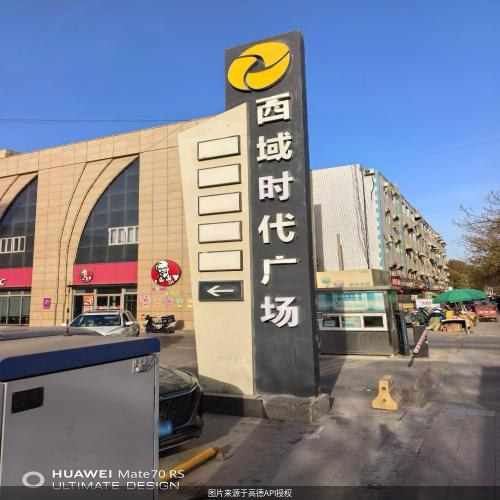
| 12:30 | Xiyu Times Plaza: The Noon Cold-Air Supply Station |
| 17:00 | Buying in Grape Valley: Straight from the Drying House to the Box |
| 20:30 | The Xiyou Culture Pedestrian Street: Closing in the Evening Wind |
The route, stop by stop
The Turpan Grand Bazaar: The Dried-Fruit Main Battlefield
Mid-morning the bazaar stalls open into an air of raisins, almonds and baking naan. Raisins tier by grade: seedless white the sweetest and priciest, rose-scented with floral notes, blackcurrant dark and tart, and the large green xiangfei built for presentation. Walk one full circle comparing before buying; quotes run per kilo and loose beats packaged on price.
Beyond raisins, dried mulberries, apricots, red dates and local honey travel well; naan and fresh samsa fuel the browsing. Note today's bazaar prices as your baseline, then hold them against Grape Valley farmers this afternoon and the winner shows itself.
Xiyu Times Plaza: The Noon Cold-Air Supply Station
Noon in the basin tolerates no outdoor commerce, and Xiyu Times Plaza carries the vacuum: a local department store with cosmetics, footwear and a full supermarket level, where raisin and melon gift boxes solve souvenir duty, pricier than loose but presentably packaged with clear dates.
The food floor handles lunch and a rest. Mall-agnostic travelers can compress this to forty minutes with a clear target: the supermarket level and ground-floor specialty counters, buy and go.
Buying in Grape Valley: Straight from the Drying House to the Box
Farm-direct buying in Grape Valley is Turpan shopping at full value: drying houses hang on the courtyard walls, raisin strings carry the scent of fresh drying, seedless whites and rose-scents laid out by grade for tasting before weighing. Farm prices usually undercut town by twenty to thirty percent, and the raisins' whole biography comes with the sale.
Season permitting, add fresh grapes and Hami melon, letting the host pick a ripe one and cut it on the spot, sweetness verified live. For volume buys, ask the host to box and pack them down, vacuum-sealing raisins while fresh fruit keeps air holes. Striking a deal under the trellis is how a Turpan shopping day should be done.
The Xiyou Culture Pedestrian Street: Closing in the Evening Wind
After dark the pedestrian street turns into Turpan's lightest shopping scene: under Journey-to-the-West sculptures and light installations, stalls sell handmade smalls, creative fridge magnets and sliced fruit at friendly prices. Heavy buying finished this morning, the assignment here is scavenging and strolling, a few dozen yuan of pure fun.
Street-snack stalls cover a round of supper, skewers with iced yogurt to browse by. Run the final inventory, vacuum seals closed, boxes packed tight, breakables padded, then carry the sweetness back to the hotel and close the day complete.
| Getting around |
|
| Budget | Raisins run RMB 30-80 per kilo by grade, melons RMB 5-15 per kilo, a Hami melon RMB 10-30; a respectable gift haul fits RMB 150-400. |
| Best time | Any season, with July-September richest in fresh fruit and fresh-dried raisins; bazaar stalls open mid-morning, malls run to around 22:00, and the pedestrian street peaks after dark. |
FAQs
Do raisins cost less at the bazaar or in Grape Valley?
Loose bulk runs close in both, with valley farm prices twenty to thirty percent under and fresher stock plus drying houses on view; packaged gifting belongs to city mall boxes, easier with clear dates. The play: self-eating and scatter-gifting buy farm-direct in the valley, formal gifts resolve at the mall, and the bazaar does benchmarking and top-ups.
How do I pick a ripe Hami melon?
Three signs: netting crisp and dense, a sunken blossom end, and fragrance rising from the stem. The surest method is having the vendor or farmer cut one open to verify sweetness, routine behavior in Turpan. For transport pick melons eighty percent ripe to finish en route; cut ones eat now, never overnight. Whole melons travel cheapest by rail if not crushed, while flights follow airline rules.
What is the etiquette for bargaining at the bazaar?
Dried-fruit margins are thin in Turpan, so polite inquiry outperforms hard haggling: taste, ask the kilo price, compare two or three stalls and a verdict forms naturally. On multi-buys, asking to round down or toss in a small pack usually succeeds. Attitude is everything, smiling offers keep everyone dignified, while walk-away pressure tactics are neither the local style nor needed.
What is the easiest way to haul purchases home?
Sort into three lanes: vacuum-sealed dried fruit boxed for the rail, hand-carried or checked, both stable; fresh fruit in vented boxes rides the rail freely while flights mostly mean checked under airline rules; gift boxes and breakables stay with you. For excess weight, city courier points ship logistics easily, raisins and naan both travel well, arriving in three to five days undamaged.