
Turpan's table explains the basin more honestly than its sights: grapes and melons irrigated by karez water taste sweet without apology, naan-pit technique carries dual Central Asian and central-plains lineage, and noodle portions were engineered for dry heavy labor. The day is sun-designed: samsa in the morning cool, noodles indoors at noon, a teahouse hideout through the afternoon, and full abandon at the night market.
All four stops sit in and around town, chained by taxis at flag fare to fifteen yuan. The etiquette bears repeating: nearly all kitchens here are halal, so bring no outside food, keep talk comfortable for hosts, and ask freely when ordering. Tender stomachs eat skewers well done and pace the iced drinks; the rest is safe enjoyment.
Itinerary at a glance
| 09:30 | Kuoximakelaer Roasted Buns: First Batch Before the Queue |
| 13:30 | Sulaiman Noodle King (Museum Branch): A Serious Bowl at Noon |
| 17:00 | Putao Li Old Teahouse: A Slow Afternoon under the Vines |
| 20:30 | The Turpan Grape Night Market: Evening Wind, Skewers and Melon as the Finale |
The route, stop by stop
Kuoximakelaer Roasted Buns: First Batch Before the Queue
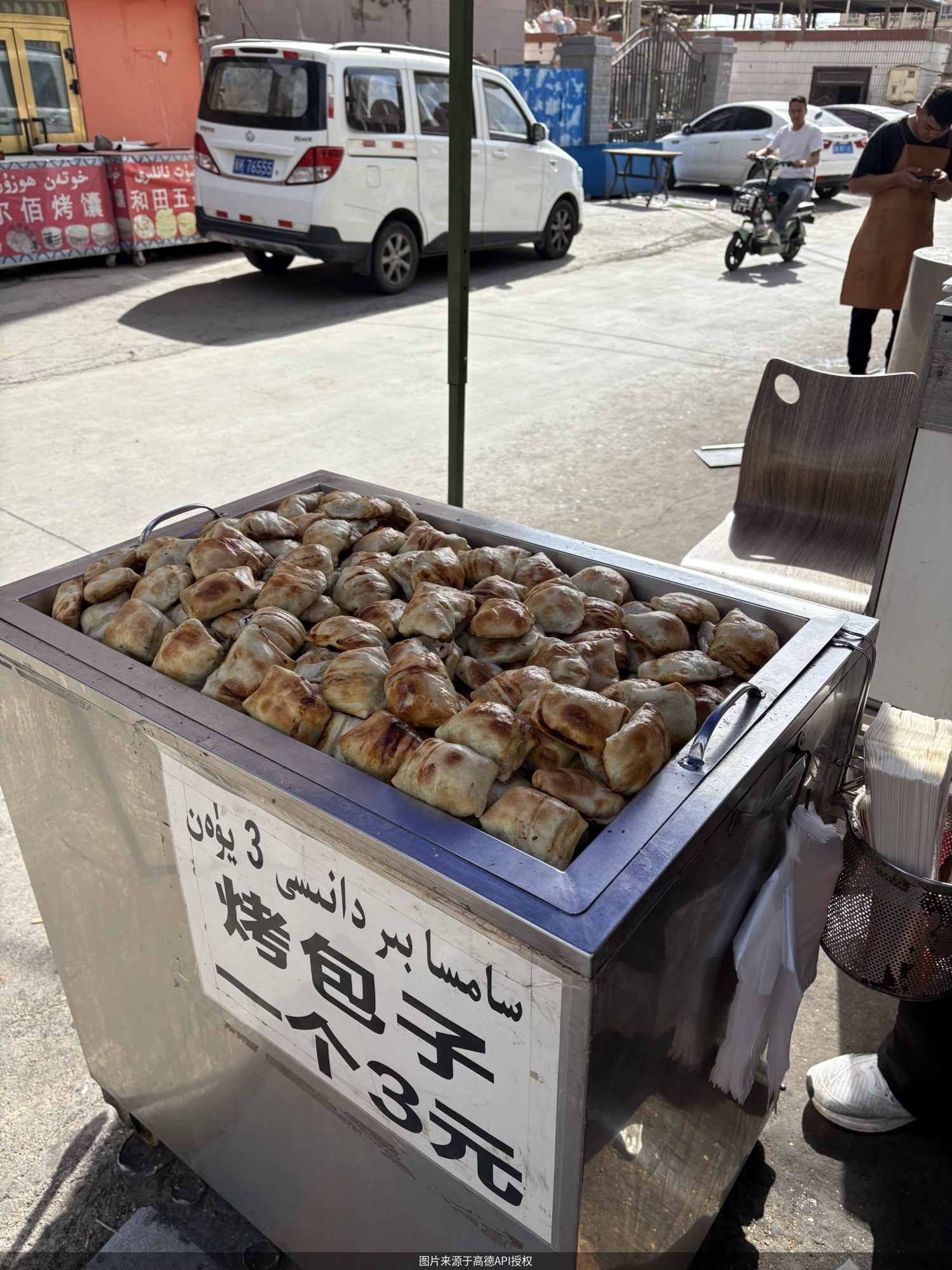
Samsa is Turpan's correct breakfast: thin dough wrapping diced lamb, onion and tail fat, pressed to the naan-pit wall and baked golden and puffed; bite in while scalding, meat juice sweet with onion. At this old shop the queue stays short before ten, and the first batch carries the crispiest skin.
Pair with brick tea to cut the richness; the ring of local elders is the best endorsement going. Finish in the morning cool and hand the pre-noon golden hours to sightseeing, eating and touring completing each other.
Sulaiman Noodle King (Museum Branch): A Serious Bowl at Noon
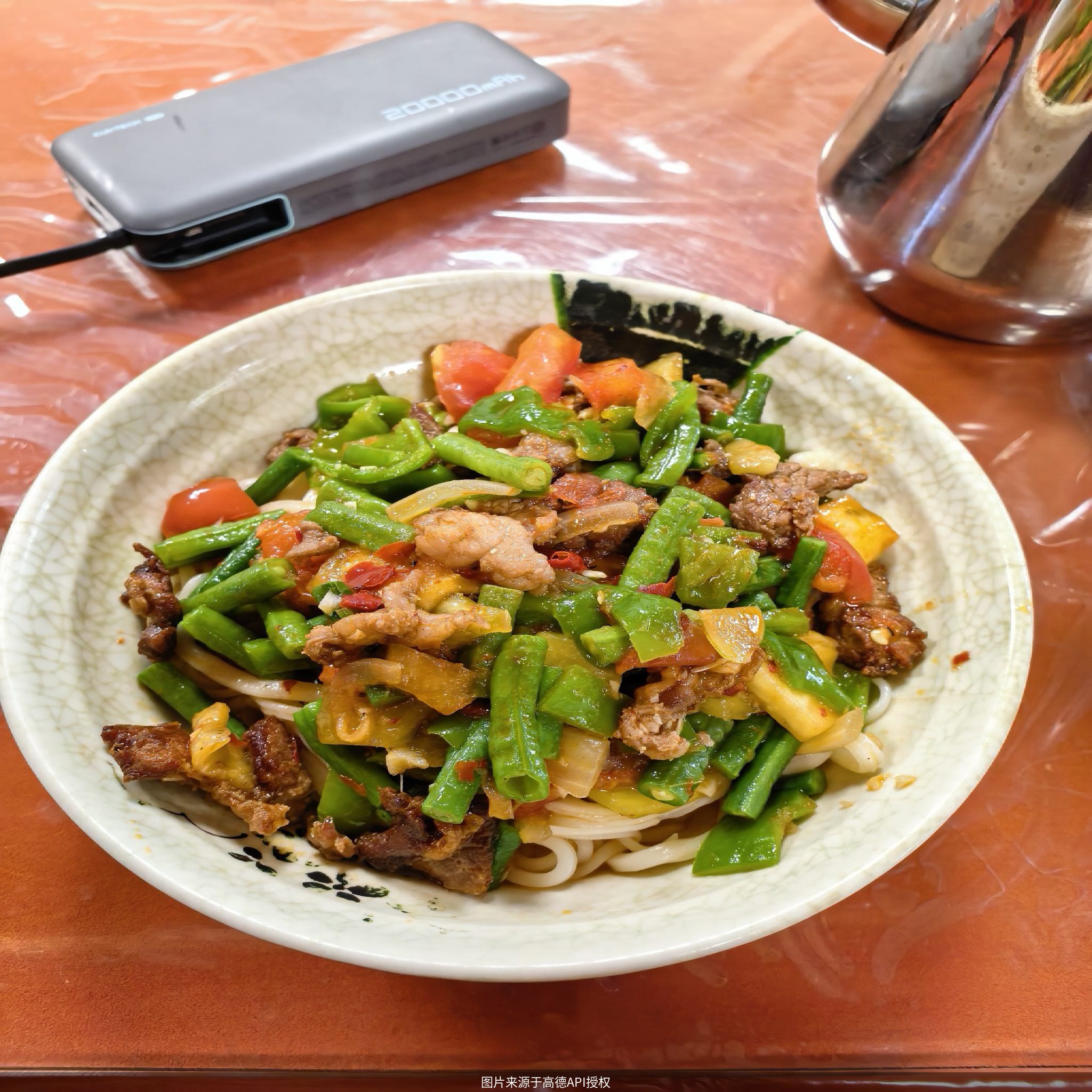
Pulled noodles (laghman) are Xinjiang's staple of record: dough hand-stretched into round strands, rinsed springy and chewy, crowned by the canonical over-oil lamb, slices slipped through hot oil with onion, pepper and tomato, the sauce hugging the noodles. Turpan's noon suits no outdoor agenda, so a cold-air noodle house is the only sane appointment.
Mix noodles and topping thoroughly, with raw garlic and vinegar alongside; most houses add refills free, so never feel shy. Lunch peaks after 13:30, early arrivals skip the wait.
Putao Li Old Teahouse: A Slow Afternoon under the Vines
Five in the afternoon still scorches, and the teahouse is the vessel for those hours: under trellis or canopy, a pot of brick or herbal tea with naan or a few raisins, sunlight dripping through vine leaves. The old teahouse's virtue is stayability; local elders stretch one chess game to sunset.
This is the day's cheapest and most memorable stop, RMB 20-40 per person for the whole late afternoon. Go full local: one pot, one naan, nothing to do, repaying every debt of idleness the city owes you.
The Turpan Grape Night Market: Evening Wind, Skewers and Melon as the Finale
The market spreads beneath grape trellises as the day's flavor omnibus: roast lamb ribs, spicy braised trotters, grilled eggs and noodles missed earlier all congregate here, with seasonal Hami melon and seedless whites for sweetness. After nine the locals sit down and both mood and temperature enter their comfort band.
Order in rounds: skewers first as the base, trotters or samsa next, fruit last. Under the trellis in the evening wind, the day's sun, noodles, tea and fire all digest into a single verdict: worth it.
| Getting around |
|
| Budget | Breakfast RMB 10-20, lunch RMB 25-50 pp, teahouse RMB 20-40, night market RMB 40-80; the full day lands near RMB 100-190 pp. |
| Best time | Any season; in summer eat at the two ends, breakfast and night market, keeping noon indoors; July-August markets wake after 21:00. |
FAQs
What can no-lamb travelers eat in Turpan?
Samsa and laghman default to lamb toppings, but noodles come in vegetarian versions (pickled greens, chili paste, eggplant), pilaf has a meat-free take, and naan plus assorted dough foods and grilled eggs all skip lamb entirely. Say so when ordering and staff will point out options; scent-sensitive diners do better in halal Chinese noodle houses.
How should meal hours be arranged in summer without suffering?
Eat the two ends, hide the middle: breakfast finished by 9:30 in the cool, noon and afternoon indoors (noodle houses, teahouse air conditioning), dinner starting with the 20:30 market. Local hours run two late, lunch at two or three and dinner at nine or ten are normal, so eat with the sun proudly; chasing eastern meal times across blazing pavement is the real suffering.
Farmhouse meals in Grape Valley or restaurants downtown?
Each wins its own way: farmhouses own the setting, pilaf under the trellis watching drying houses, honest portions at RMB 40-80 pp; downtown owns consistency and range for tight schedules or sensitive stomachs. The ideal split: one farmhouse lunch in the valley as experience, dinner free-styled at the city night market, collecting both ends' advantages.
When are Hami melons and grapes at their best, and can they ride the rail?
Grapes peak July-September and melons June-October, with seedless whites and late melons hitting peak sweetness in August-September. Rail is no problem, sealed boxes ride in hand or checked luggage, just protect neighbors from juice; flying follows airline rules, and most domestic flights take them checked. Whatever you cannot finish, convert to raisins, sweetness preserved and zero transport risk.