
Seven days is Urumqi in full: city galleries, Tianshan landscapes and country pasture each get their place, plus one day across to Turpan for China's oldest earthen city and its most famous underground waterworks. The structure controls tempo, city days padding between three field days so legs never fail, with Turpan done as a rail day trip, no luggage churn.
Prep is three tasks: book each museum through its own channel, buy Turpan North rail tickets ahead in season, and negotiate the charter once for all three country days. Xinjiang keeps local hours two beats late throughout, summer wants three layers, and the Turpan day upgrades sun protection by a full grade.
Itinerary at a glance
| Day 1 · 10:00 | Xinjiang Uygur Autonomous Region Museum: The Seven-Day Preface |
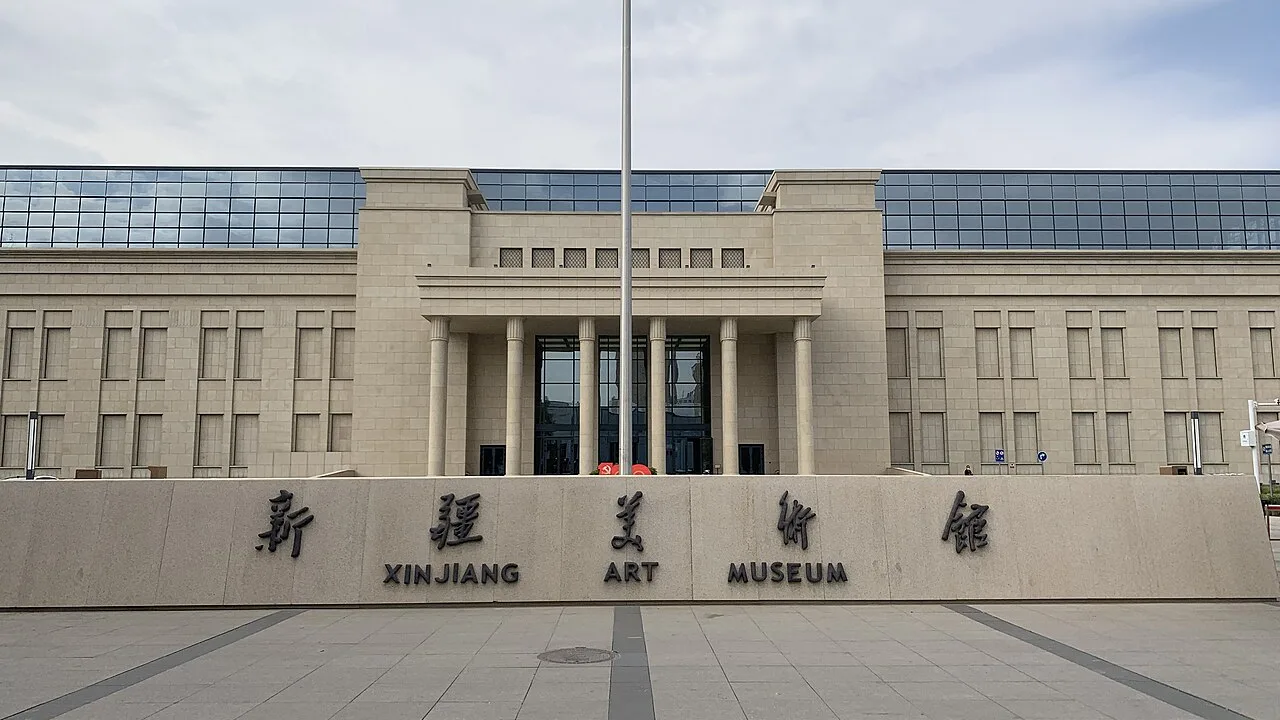
| Day 1 · 15:00 | The Xinjiang Art Museum: Trading History for Color |
| Day 2 · 10:30 | The Urumqi Museum: The City's Own Biography |
| Day 2 · 14:00 | Hongshan Park's Pagoda: The Skyline's Reference Point |
| Day 2 · 19:30 | The Grand Bazaar: A Social Studies Class at Night |
| Day 3 · 09:30 | Heavenly Lake of Tianshan: Bogda's Mirror |
| Day 3 · 13:30 | The Maya Mountain Lookout: One Angle Owns the Full Lake |
| Day 4 · 09:00 | The Tianshan Grand Canyon: Opening Peak-Leg Day Right |
| Day 4 · 15:30 | Nanshan Pasture, West Baiyanggou: Changing Scenes from Cliffs to Slopes |
| Day 5 · 10:00 | Shuimogou Scenic Area: A Valley Morning on the Buffer Day |
| Day 5 · 16:00 | The Yamalik Mountain Viewpoint: Spreading Seven Days into One Map |
| Day 6 · 08:30 | High-Speed Rail to Turpan: Jiaohe's Morning into Noon |
| Day 6 · 15:00 | Karez Paradise: The Cool of an Underground Canal |
| Day 7 · 10:30 | The Geological and Mineral Museum: Filling In the Earth Chapter |
| Day 7 · 20:00 | The Hetian Second Street Night Market: The Seven-Day Finale |
The route, stop by stop
Xinjiang Uygur Autonomous Region Museum: The Seven-Day Preface
Deep travel starts with a preface. The main galleries walk Xinjiang by era, and the Loulan beauty in the mummy hall is the week's single most important object: the Astana tombs and Flaming Mountains of the coming Turpan day share her very civilization. Two slow hours beat four rushed ones.
End in the folklore hall, connecting static relics to living streets. Keep the afternoon soft at the art museum, letting the morning's information settle.
The Xinjiang Art Museum: Trading History for Color
Morning was text and artifacts, afternoon is color and light. Local painters hit Tianshan, grassland and bazaars with ferocious saturation, another archive of Xinjiang's mood; the era sequence read upstairs turns into skin and cloth folds here.
Ninety minutes ample, rooms quiet and thin-crowded, the week's best restorative stop. Nap afterward at the hotel; the trip formally opens tonight.
The Urumqi Museum: The City's Own Biography
Day two keeps reading the city. From Qing founding to recent expansion, the old photos and veteran shop signs move most: one street's signage changing across decades is the frontier city's modernization frame by frame, and it rewrites how you will read every lane that follows.
Ninety minutes for the permanent display, lunch in the mall district after. Afternoon climbs Red Hill, evening enters the bazaar, step two of the city-reading trilogy done in one day.
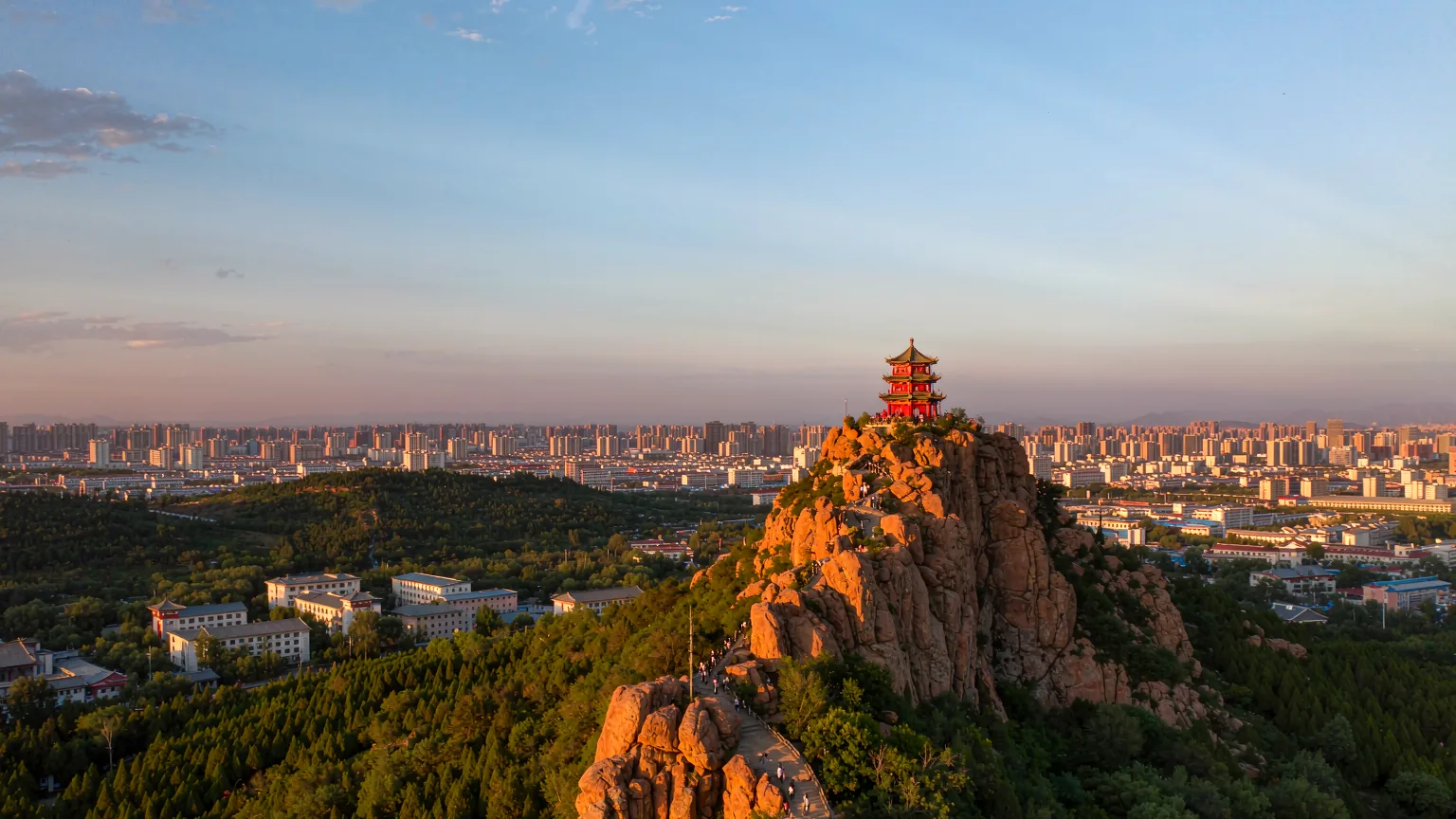
Hongshan Park's Pagoda: The Skyline's Reference Point
Built in the Qianlong era, the pagoda graduated from flood charm to civic totem. From the mid-hill platform the blocks run to the Tianshan foothills, and on clear days Bogda's snowline hangs southeast, the live version of the phrase capital nearest the snow mountains.
Forty gentle minutes around the loop, then rest at the hotel until dusk, banking night energy for the bazaar.
The Grand Bazaar: A Social Studies Class at Night
Deep travel reads the bazaar one layer down: the stalls' own taxonomy teaches living Silk Road commerce, dried fruit mapping oasis agriculture, textiles mapping weaving crafts, blades and copper mapping artisan traditions. Look only tonight, note stalls and prices, and return on night seven to close deals unhurried.
Square dancing wakes after nine, visitors pulled into the circle as a matter of course. Eat on site, calibrating your baseline for skewers and pilaf.
Heavenly Lake of Tianshan: Bogda's Mirror
Day three enters the mountains. The lake gathers Bogda's meltwater near 1,900 meters, snow-peak reflections the signature frame. Morning light reads the snowline sharpest; the shoreline loop takes forty to sixty minutes and the boat, extra cost but worth it, completes the view.
Call briefly at the lakeside temple. No second reserve today; linger lakeside through the afternoon and rest early, since tomorrow's canyon is the trip's physical peak.
The Maya Mountain Lookout: One Angle Owns the Full Lake
After lunch the cableway lifts you into limestone pinnacles, and at the lookout the lake appears whole for the first time: one jade slab set in spruce, snow peaks receding deep into the frame. Of the week's field stops, this vantage offers the best value per minute.
Above two thousand meters, pace gently; afternoon clouds build fast, so finish the photo window before two and ride straight down.
The Tianshan Grand Canyon: Opening Peak-Leg Day Right
Day four starts early for the canyon fifty kilometers out. Zhaobi Mountain guards the mouth like a screen, the shuttle follows the river deep, and boardwalks hug meltwater streams as walls, spruce and rapids trade scenery. Six to eight kilometers round trip, the week's biggest walking day.
Midday shade fills the valley; lunch at the Kazakh-style point reloads with hand meat and milk tea. Afternoon light slants from the mouth and the backlit boardwalks pose best, so take them slowly.
Nanshan Pasture, West Baiyanggou: Changing Scenes from Cliffs to Slopes
Canyon to pasture runs about an hour, and afternoon West Baiyanggou feels far softer: spruce, stream, waterfall and scattered yurts. Two hours on the boardwalk, or compress to yurt milk tea at the mouth plus slope strolling if legs are done.
Today's steps will pass twenty thousand, so eat properly back in town and soak hot; tomorrow's city-buffer day depends on tonight's sleep.
Shuimogou Scenic Area: A Valley Morning on the Buffer Day
Day five deliberately carries nothing hard: sink into the Shuimogou valley, flat shady paths, locals fishing and playing chess, metabolizing two mountain days of fatigue. Half an hour over a tea-pot brick brew is the trip's cheapest therapy.
Lunch and a nap back downtown, with one more high point this afternoon. Walk as little as you like; tomorrow's Turpan day starts early.
The Yamalik Mountain Viewpoint: Spreading Seven Days into One Map
Climb Yamalik at dusk, where the viewpoint flattens Urumqi into a map: the very range holding the lake, canyon and pasture of four days past, the city's road grid, and the Tianshan beyond, all in one legible sheet. Deep travel at day five earns exactly this kind of geographic review.
On clear days Bogda's snowline shows southeast, matching the lakeside memory of day three. Descend for dinner after sunset and sleep early; tomorrow's alarm beats the usual.
High-Speed Rail to Turpan: Jiaohe's Morning into Noon
Day six crosses cities. Ride high-speed rail from Urumqi about an hour to Turpan North, then taxi or charter straight to Jiaohe, finishing the main circuit before the worst heat. This earthen city was carved directly from its plateau, its two-thousand-year-old plan still legible: the central avenue, temple quarter, offices and residential ravines all distinct.
The ruins offer zero shade, so close the loop before noon, climbing the viewpoint to read the city against the oasis edge beyond. Lunch in town afterward, skipping the fiercest hours.
Karez Paradise: The Cool of an Underground Canal
Give the hottest stretch to Karez Paradise, the oasis's lifeline: over two thousand karez channels carry Tianshan snowmelt underground to the greenery, with open channels, covered tunnels, shafts and reservoirs all viewable in one site. Step into a tunnel and the temperature drops instantly; dip a hand in the flow, cold as fresh melt, which is exactly what it is.
Take the guided explanation; the claim that karez, the Great Wall and the Grand Canal rank as ancient China's three great engineering feats finds its footnotes here. Return to Turpan North by evening for the rail back and dinner in Urumqi.
The Geological and Mineral Museum: Filling In the Earth Chapter
The last morning belongs to geology, logically the trip's annotation: after the lake, canyon and Turpan's basin, the ore, meteorite and three-mountains-two-basins displays complete the causal chain. Children root in the gem and fossil halls while adults stall before petrified wood.
A leisurely two hours, then pack and check out at noon. Last-stop placement has its perks: free and undemanding, it leaves margin for the journey home.
The Hetian Second Street Night Market: The Seven-Day Finale
The finale sits at Hetian Second Street: skewers, grilled eggs and iced yogurt gathered at once, reordering the week's flavors by your own preference. The city's ten o'clock night is at full strength, and a market dinner closes deep travel with more dignity than any ceremony.
Then the last luggage audit at the hotel: vacuum-sealed fruit, shipping receipts for blades, rail tickets and documents. The seventh day exists for confirmation, this city deserves a return, and the next list is already drafted in your head.
| Getting around |
|
| Budget | Entries and shuttles total RMB 500-600 including two Turpan sites, round-trip high-speed rail to Turpan North RMB 120-160, a three-day charter RMB 1,500-2,100 per vehicle; seven days land near RMB 2,000-2,800 pp before lodging. |
| Best time | June-September is prime, the lake thawed and pasture greenest; July-August turns Turpan brutally hot, so slot the ruins and karez into morning and evening; Golden Week costs crowds and money, shoulder seasons win. |
FAQs
Is one day really enough for Turpan within the week?
One day covering Jiaohe plus the karez is the passing bar, rail links run clean and tempo stays controlled when Urumqi anchors the trip. If Turpan is the point, switch to an overnight two-day plan adding Gaochang, the Bezeklik caves and Grape Valley, a different depth entirely. Weight by interest, never by greed.
How should charter pricing be negotiated across seven days?
Charter only the three country days together, about RMB 500-700 per day, bundling lake, canyon and pasture with one driver, settling price and route once, in writing, with fuel and tolls stated. Neither the city days nor Turpan day needs it: town runs fine on transit, and Turpan local hires cost less on the spot. Never long-rent for city days, pure waste.
Which stops can be sacrificed across the seven days?
Lowest priority goes to the art museum and geological museum, excellent footnotes but not essentials; pick one of Red Hill night or Yamalik viewpoint. The core assets are immovable: the regional museum, the lake, the canyon, Jiaohe and the karez. When trimming, keep one museum, one mountain, one ancient city, a representative of each.
How should the money break down across seven days?
The big items are charter and entries: country charter RMB 1,500-2,100, reserve entries and shuttles RMB 500-600 combined, Turpan-day transport plus tickets RMB 250-350. Meals run RMB 100-200 per person daily by taste, city transit is trivial. Excluding lodging, RMB 2,000-2,800 per person is the sane seven-day band, shopping excluded.