
Yangzhou's countryside hides along the old canal and Yangtze transport lines: Shaobo is a lock town on the canal, Gaoyou the city of post roads and salted eggs, Yizheng's Nashan an extinct volcano. Three days take one direction each in a radial loop from the old city, sleeping downtown every night.
The line chases a sense of time, not sights: stone streets, post-station stables and lakeside embankments all run at stroll pace. Gaoyou links to Yangzhou by a ten-odd-minute high-speed hop, so the transport structure is lighter than it sounds, an easy day return.
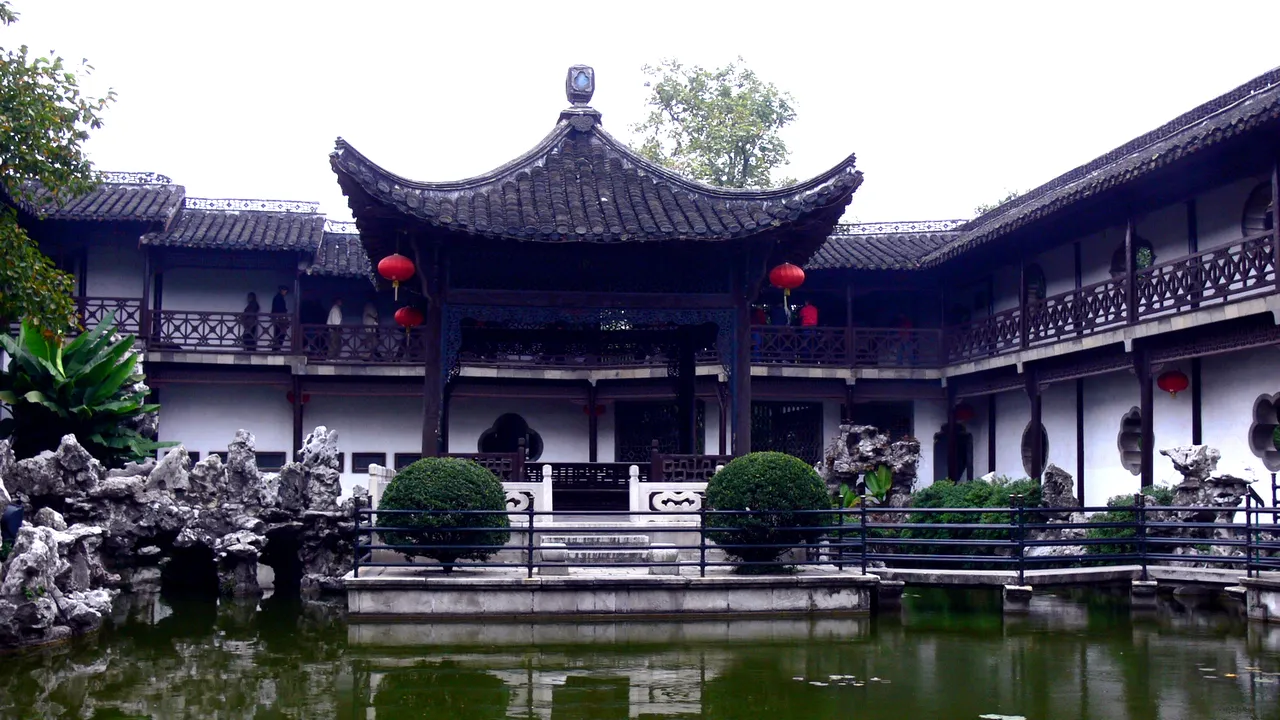
Itinerary at a glance
| D1 09:00 | Shaobo Ancient Town: First Lesson in Canal Locks |
| D1 13:30 | The Ming-Qing Canal Relict Channel and the Great Wharf |
| D2 09:30 | Yucheng Post Station: Where Gaoyou Got Its Name |
| D2 11:30 | The Gaoyou Pawnshop and the Old Streets |
| D2 14:30 | The Wang Zengqi Memorial: One Writer's Hometown History |
| D2 16:30 | Zhenguo Pagoda and Gaoyou Lake: A Tang Tower Mid-Canal and a Lake Sunset |
| D3 09:00 | Guazhou Ferry: A Crossing of Poems on the Yangtze |
| D3 11:30 | Nashan Geopark: An Extinct Volcano |
| D3 15:00 | Zaolinwan: Closing among Tea Fields and Farmland |
The route, stop by stop
Shaobo Ancient Town: First Lesson in Canal Locks
The country days open at Shaobo in Jiangdu, a town named for the Jin statesman Xie An that commands the canal's throat. The Shaobo locks still work today, from Ming-Qing dams to the modern three-line lock complex, a living history of canal hydraulics; watching a boat lock through is the local specialty, the water sinking slowly in the chamber as the barge settles with it.
The old quarter keeps its bluestone street and veteran teahouses, and the iron ox by Douye Pavilion, cast in the Qing to guard the waters, stares at the river, the canal bank's most photographed animal.
The Ming-Qing Canal Relict Channel and the Great Wharf
Walk the Ming-Qing relict channel in the afternoon, the canal's former bed before realignment, now shallow and tree-still, running parallel to the busy new canal; two rivers facing each other across one embankment show four hundred years of the waterway in a glance. The Great Wharf is the old stone-step landing for grain barges, its bluestone grooved deep by hawsers.
The relict line stays quiet, good for slow walking and photos. Dinner back on Shaobo's main street, where Shaobo crayfish are the seasonal signature, plumpest from May to September.
Yucheng Post Station: Where Gaoyou Got Its Name
Start day two with the morning rail hop to Gaoyou. Yucheng Station is a Ming post-station survival, among the most complete ancient courier stations anywhere, and Yucheng is Gaoyou's old name, the station and the city sharing one title. Drum tower, horse shrine and the station magistrate's residence line the axis, the courier system legible hall by hall.
The draw is the institution: horse-relay schedules, document passes, courier itineraries, the exhibits making the empire's information highway concrete. The station served canal and road alike, and the twin arteries between Yangzhou and Gaoyou meet exactly here.
The Gaoyou Pawnshop and the Old Streets
Before noon, see the Gaoyou pawnshop, a Qing establishment whose counter rises absurdly high, the clerk looking down while the pledger looks up, the building itself a psychology of haggling. Storehouse and counter survive well as a nationally listed monument.
Chain the old lanes on foot from the pawnshop and eat nearby, Wang tofu stew and plain yangchun noodles, home cooking truer than any banquet here. Afterward the Wang Zengqi Memorial matches the writer's Gaoyou against the one in front of you.
The Wang Zengqi Memorial: One Writer's Hometown History
The memorial stands beside the family's old home, pinning the places and figures of Ordination and Tales of Big Nur onto a walkable map: the Gaoyou he wrote was never a backdrop but a city you can navigate. Manuscripts, letters and photographs lay out his genial, unhurried life with the same calm.
The exhibit's gift is focus for the lakeside afternoon: his water, his ducks and his salted eggs will all appear at the lake within the hour. Free entry, about one hour.
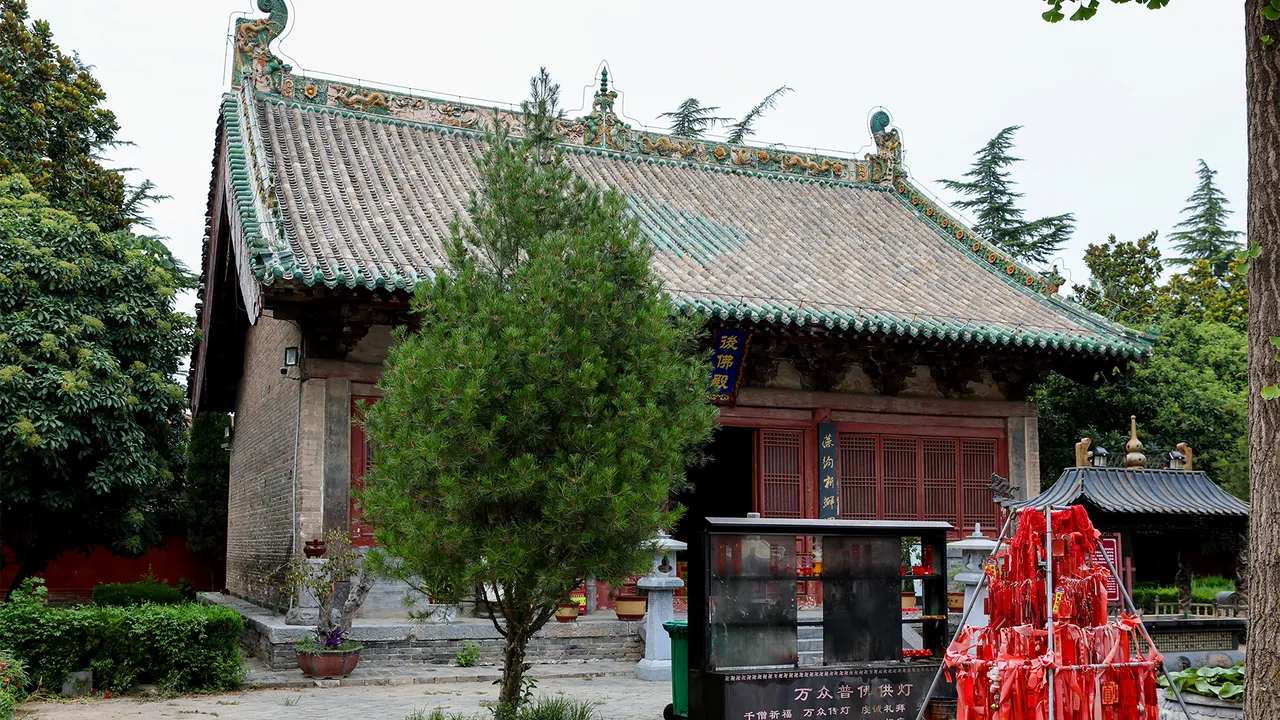
Zhenguo Pagoda and Gaoyou Lake: A Tang Tower Mid-Canal and a Lake Sunset
Reach the lakeside toward evening. Zhenguo Pagoda stands on the isle between canal and lake, a square-bodied Tang tower dubbed the Wild Goose Pagoda of the south, its reflection on the river-lake seam. Gaoyou Lake is Jiangsu's third largest, its embankment dusk opening almost to sea width.
Watch the sun go down with the gulls, sails and clouds trading colors. The evening's real business is salted eggs and lake fish, the kind of egg whose red oil runs at one chopstick's touch, counting only at the source.
Guazhou Ferry: A Crossing of Poems on the Yangtze
Day three heads south to Guazhou. A single stream of water lies between Jingkou and Guazhou, Wang Anshi's crossing right here, and the story of Du Shiniang sank off this bank. The ferry park is free, the dike looking across to Zhenjiang, the river wind harder than the lake's.
The ferry's appeal is geographic: the Yangtze narrows here, the old crossing was the north-south throat, and now the Runyang Bridge spans overhead as the ferry's old duty retires into verse. Walk a stretch of dike and recover the coordinates of Mooring at Guazhou.
Nashan Geopark: An Extinct Volcano
Before noon reach Nashan in Yizheng, a Cenozoic volcano site whose basalt columnar joints run up the cliffs like upright piano keys, with the geology museum narrating the volcano's whole life plainly. The circuit trail takes an hour-plus, the rock faces and quarry cuts the best open-air classroom.
Nashan's temperament is the canal's opposite: one keeps time by water, the other by fire. The country days close here, and Yangzhou's geographic depth extends from rivers and lakes into the ground.
Zaolinwan: Closing among Tea Fields and Farmland
The final stop is Zaolinwan ecological park, Yizheng's rolling farm belt where tea fields, orchards and wetlands spread across a large green, once the grounds of provincial and world horticultural expos, its layout appropriately grand. Stroll or rent a sightseeing cart and walk the tea fields and lake shore.
Return to Yangzhou toward dusk by rail or coach. The three country days draw one arc: canal water, post-road horses, a river ferry, mountain fire, closing in the quiet of a tea field.
| Getting around |
|
| Budget | Entry (about RMB 25 at Yucheng Station, RMB 60 at Nashan, and minor site fees) plus meals and transport, roughly RMB 500-700 pp. |
| Best time | April-May and September-October wear the countryside kindest; summer is peak for Shaobo crayfish and lake fish, while winter lake winds demand warm layers. |
FAQs
Is sleeping back in Yangzhou each night feasible instead of staying local?
Entirely: Shaobo and Gaoyou sit within an hour's transport, Yizheng slightly farther with ample evening service. Staying in Yangzhou means stable food and lodging with no daily bag-hauling. For a lake sunrise, give only night two to Gaoyou and keep the rest as is.
When is Shaobo crayfish best, and can Gaoyou salted eggs travel?
Crayfish fatten May to September, peaking June through August; salted eggs travel all year, vacuum or boxed at room temperature, fine on rail and flights alike. Choose red-core eggs from producer-direct shops and crack one open to check before buying.
Does this countryside line work without a car?
Yes, on a structure of rail plus bus plus taxi: Gaoyou has a rail station, Shaobo and Guazhou have bus coverage, and the Nashan-Zaolinwan legs cost the most by taxi yet stay within tens of yuan each. Three days total roughly RMB 100-200 in transport, less hassle than renting. Check timetables on a map app and keep an evening buffer.
Is this line friendly to travelers new to canal history?
Very, because all three days narrate concretely: locks dropping water before your eyes, the post station's mangers still standing, basalt columns on the cliff, all legible without prior knowledge. Ten minutes of documentary on canals and courier stations before departure upgrades the trip from pretty to understood.