
Five days is Yangzhou in full. Day one reads the lake and Daming Temple through, entering Dongguan Street at dusk; day two starts at morning tea and reads the merchants through Ge Garden and Wang's Compound; day three descends to Nanhexia for He Garden and the Wu mansion, then to the Three Bays for the canal's modern telling; day four adds depth at the city relics and the Han Tomb Museum; day five rides to Gaoyou for the post station and salted eggs.
Each day caps at three highlights, tea and gardens slotted in mornings with afternoons for houses and streets. Combos cover the lake, Ge and He Gardens, and the free museums need booking ahead on official accounts. Every stop sits in the old city or within a half-hour transport ring, so a fixed base around Wenchang Pavilion saves the most effort.
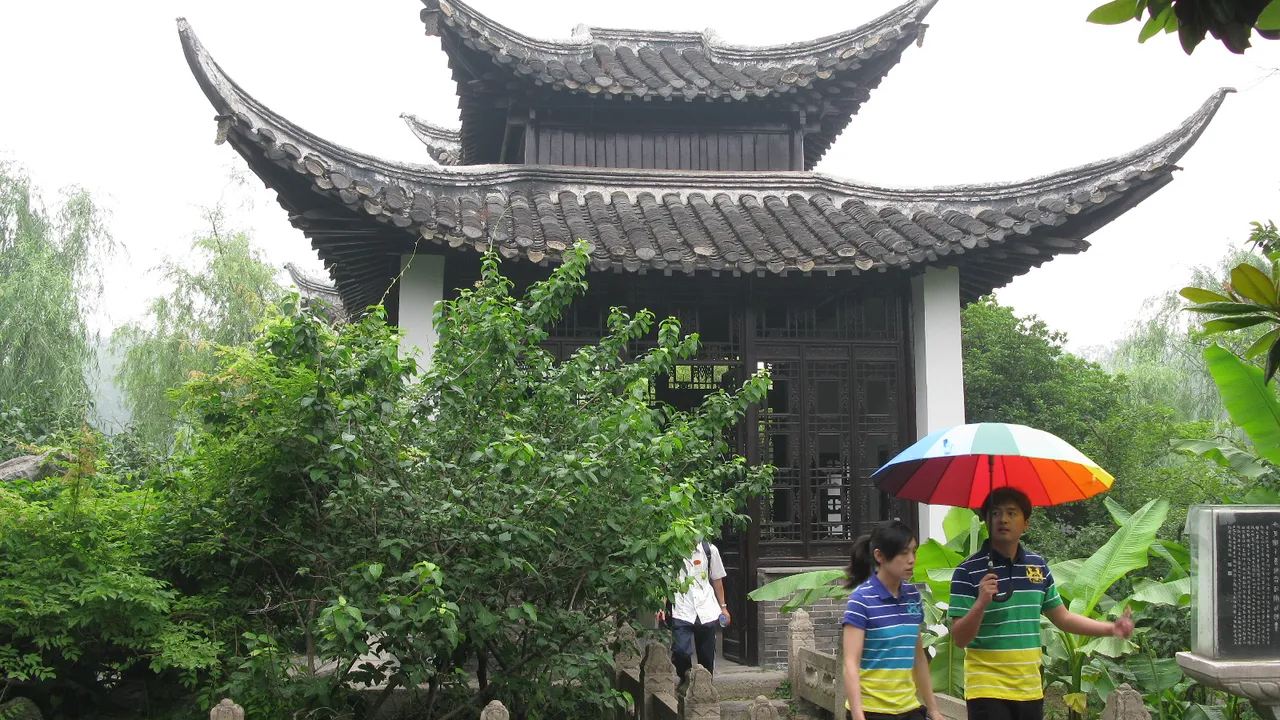
Itinerary at a glance
| D1 08:00 | Slender West Lake: The Five-Day Opening |
| D1 12:00 | Daming Temple and Qiling Pagoda: Half a Day on Shugang |
| D1 17:30 | Dongguan Street and the Ancient Ferry: First Night's Lanterns |
| D2 07:30 | Morning Tea at Yechun: Skin Wrapping Water as a Proper Meal |
| D2 10:00 | Ge Garden: A Morning with the Four-Season Rockery |
| D2 14:00 | Wang's Compound and an Old-City Afternoon |
| D3 09:00 | He Garden: A Morning on the Double Corridors |
| D3 11:00 | The Wu Daotai Mansion: The Bookish Lineage of Cehai Tower |
| D3 14:30 | The Three Bays and the Grand Canal Museum: The River, Retold |
| D4 09:00 | Songjiacheng and the City Relics: Yangzhou as Archaeology |
| D4 14:00 | The Han Tomb Museum: The Huangchang Palace Underground |
| D5 09:30 | Gaoyou's Yucheng Station: A Day of Post Roads and Salted Eggs |
The route, stop by stop
Slender West Lake: The Five-Day Opening
Enter at the south gate and walk the willow causeway to Twenty-Four Bridge, reading the lake's whole essential stretch in one pass. Morning water carries no boat noise, and the Fisherman's frame, the bridge arches and the pagoda curve all sit in their best light.
About three hours on foot, pausing at a lakeside teahouse before the north gate. Climb to Daming Temple at midday and the afternoon slows naturally.
Daming Temple and Qiling Pagoda: Half a Day on Shugang
Read the temple in layers: the Jianzhen Memorial, Pingshan Hall, Gulin Hall, then the Qiling Pagoda for the whole city and lake. The vegetarian canteen handles lunch, a bowl of noodles digesting the morning's water.
Descend into town after, reaching the Dongguan direction before three and leaving dusk to the Ancient Ferry. Day one's structure is lake, hill, street, three faces of Yangzhou each shown once.
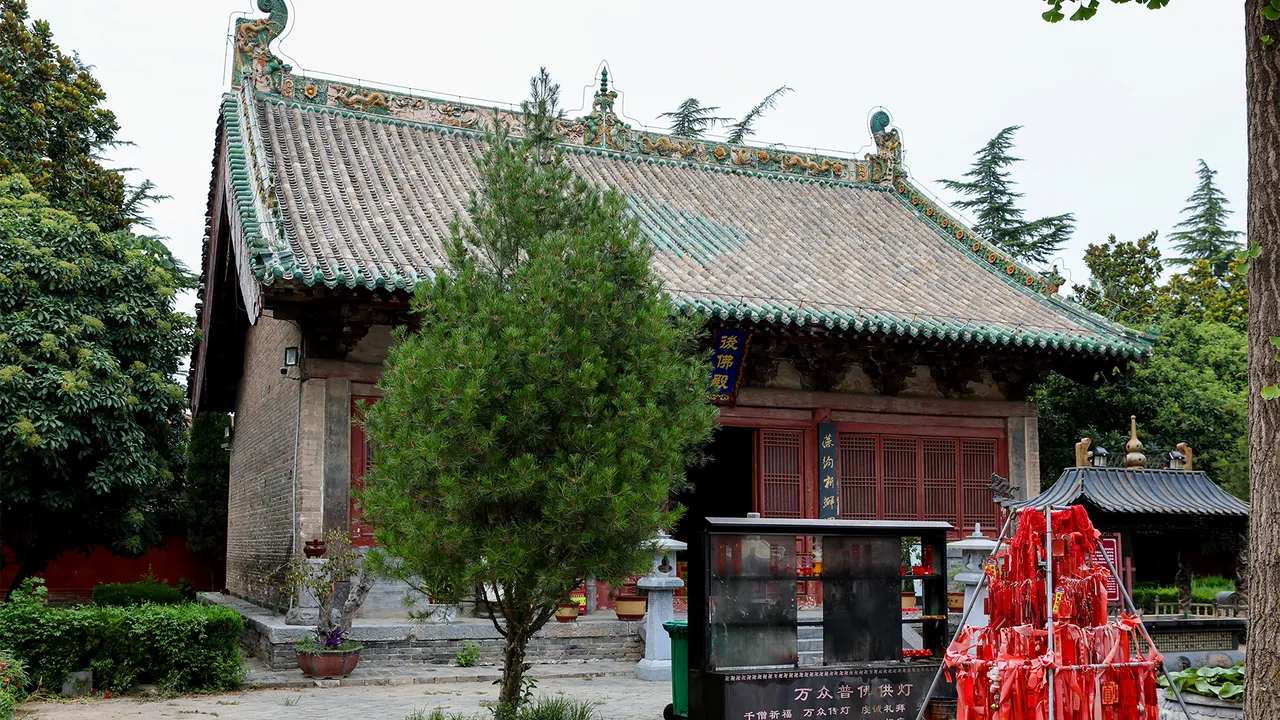
Dongguan Street and the Ancient Ferry: First Night's Lanterns
Enter the street at dusk as shopfronts and lanterns light in sequence and voices thicken on the bluestone. Browse Xiefuchun and Sanhemeimei now, buy later, keeping shopping for day five's close.
The east end is the ferry, night boats leaving the dock as arches and gate tower recede through lamp-shadow. Dine on the street, sleep early, and the five-day rhythm starts properly with tomorrow's tea.
Morning Tea at Yechun: Skin Wrapping Water as a Proper Meal
Day two opens with the city's signature rite. Claim a riverside seat in Yechun's garden early, ordering the full formula, steamed dumplings, hot shredded tofu, three-delicacy bun, thousand-layer cake, Kui Long Zhu through three refills.
Leave by 9:30, walk the moat into the old city, and hand the morning to Ge Garden. Eating is Yangzhou's first sight, and this meal anchors the whole run.
Ge Garden: A Morning with the Four-Season Rockery
Read the four-season rockery in the morning: spring's bamboo-shoot stones, summer's lake stones, autumn's yellow granite, winter's alabaster, side light sorting the textures. Continue through the house's nanmu hall and Congshu tower, merchant wealth and taste legible in timber.
Two hours, then a dozen minutes on foot to Wang's Compound, linking the mansion theme.
Wang's Compound and an Old-City Afternoon
The compound is a pure housing specimen: three rows by three bays, fire lanes and hidden doors laying a merchant house's security logic flat. Forty to sixty minutes sees it through, and you leave carrying the complete concept of a Yangzhou mansion.
Give the remaining afternoon to the lanes: Pishi Street's bookshops and coffee, or back to Dongguan Street for missed shopfronts. Dinner at a local kitchen around Renfengli closes the merchant theme.
He Garden: A Morning on the Double Corridors
Day three descends to Nanhexia. He Garden's double corridors spiral two levels, scenery trading places as you walk, with a thread of daylight hidden in the Pianshi rockery. At opening the grounds are thin and the corridors' rhythm most complete.
An hour covers the main ranges, focused on corridor junctions and the rockery's water. Exit on foot toward the Lu residence on Kangshan Street or straight to the Wu mansion.
The Wu Daotai Mansion: The Bookish Lineage of Cehai Tower
The Wu mansion carries Zhejiang building craft and a book-collecting tradition into Yangzhou, the Cehai tower its spiritual center, the four-academician exhibit tying the house to modern scholarship. An hour suffices, lunch around Nanhexia after.
The afternoon's heavyweight waits at the canal's Three Bays, day three's narrative turning from people to river.
The Three Bays and the Grand Canal Museum: The River, Retold
The afternoon pairs the park and museum. The silhouette bridge, viewing tower and ecological bends run outdoors while the grain-transport sand table and ship-hold section run inside, one park and one museum compressing two millennia of canal into half a day.
Leave before closing and walk the river toward Pagoda Bend, evening light gilding the water. Dinner back in the old city as day three's line funnels from mansions onto the river.
Songjiacheng and the City Relics: Yangzhou as Archaeology
Day four's theme is the city itself. Songjiacheng sits on Song-era foundations, moat around green with gate and wall traces scattered through; walk or cycle the circuit in the morning, tracing the city's evolution on the ground.
The park is free and densely shaded. Lunch nearby, then the afternoon adds the Han stratum at the Han Tomb Museum.
The Han Tomb Museum: The Huangchang Palace Underground
See the Han Tomb Museum in the afternoon. The Huangchang Ticou chamber of Liu Xu, Han king of Guangling, stacks thousands of cypress timbers, the physical form of the era's highest burial rank, and one circuit outside the chamber conveys a princely state's weight directly.
An hour pushes the city's story back two millennia, lifting day four from the Song to the Han and giving the trip its depth. Rest in the old city toward evening; day five leaves for Gaoyou.
Gaoyou's Yucheng Station: A Day of Post Roads and Salted Eggs
The last day rides to Gaoyou. Yucheng Station preserves a Ming courier post complete, drum tower and horse stalls making the empire's information network concrete. Lunch on Wang tofu stew and salted eggs, eating the writer's Gaoyou into memory.
The afternoon sees Zhenguo Pagoda and Gaoyou Lake, the embankment dusk opening almost to sea width. Return by evening rail, and five days of lake, garden, mansion, river and post close the loop.
| Getting around |
|
| Budget | Tickets total about RMB 350-450, combos saving twenty to thirty percent, with meals, lodging and local transport putting the run at RMB 1800-2600 pp before long-distance travel. |
| Best time | March-May for viburnum and mist, September-October for osmanthus and still water; take tea and gardens early, and keep Monday off day one for closures. |
FAQs
Can five days fold into four? What gets cut?
Merge day four's Songjiacheng and Han Tomb Museum into a half day or cut the whole stretch, and it folds to four: lake and Shugang, merchant mansions, Nanhexia and canal, Gaoyou. The Gaoyou day is the route's differentiator, so keep it; cut it only under real pressure, though then the plan degrades to a standard three-day Yangzhou.
What do combos cover, and how to buy?
Multi-site combos usually cover the lake, Ge and He Gardens, valid two or three days and saving twenty to thirty percent, while Wang's Compound, the Wu mansion, the Han Tomb Museum and Yucheng Station mostly ticket separately. Buy on the official account or at gates; for five days, combo plus singles is the best mix.
Where should the base be, and change hotels or not?
Between Wenchang Pavilion and Dongguan Street: every old-city stop walkable, direct buses to the lake, about thirty minutes to Yangzhou East. Five days without a hotel change, and the Gaoyou day runs light with bags at the front desk.
What are the rain backups across five days?
The twin museums, the Grand Canal Museum, the Han Tomb Museum and the Wu mansion are all indoor heavyweights, first call in rain; gardens walk fine in thin rain, avoiding only downpours. Holding free-museum bookings until mid-trip and adjusting to weather is the five-day format's biggest advantage.