
Seven days is Yangzhou in full. Day one the lake and Shugang, day two morning tea plus merchant gardens, day three Nanhexia and Dongguan Street, day four the twin museums and lanes, day five the canal bends and wetlands, day six the rail hop to Gaoyou, day seven closing at Shaobo's locks. Two or three highlights a day, with depth-travel slack left for teahouses and street corners.
The route blocks by geography to avoid backtracking: keep one base between Wenchang Pavilion and Dongguan Street, with only the Gaoyou day requiring a light bag out of town. What separates this from the five-day version is the two extra days, one for canal bends and wetlands, one for the water works beyond the walls, completing Yangzhou as a city of the canal.
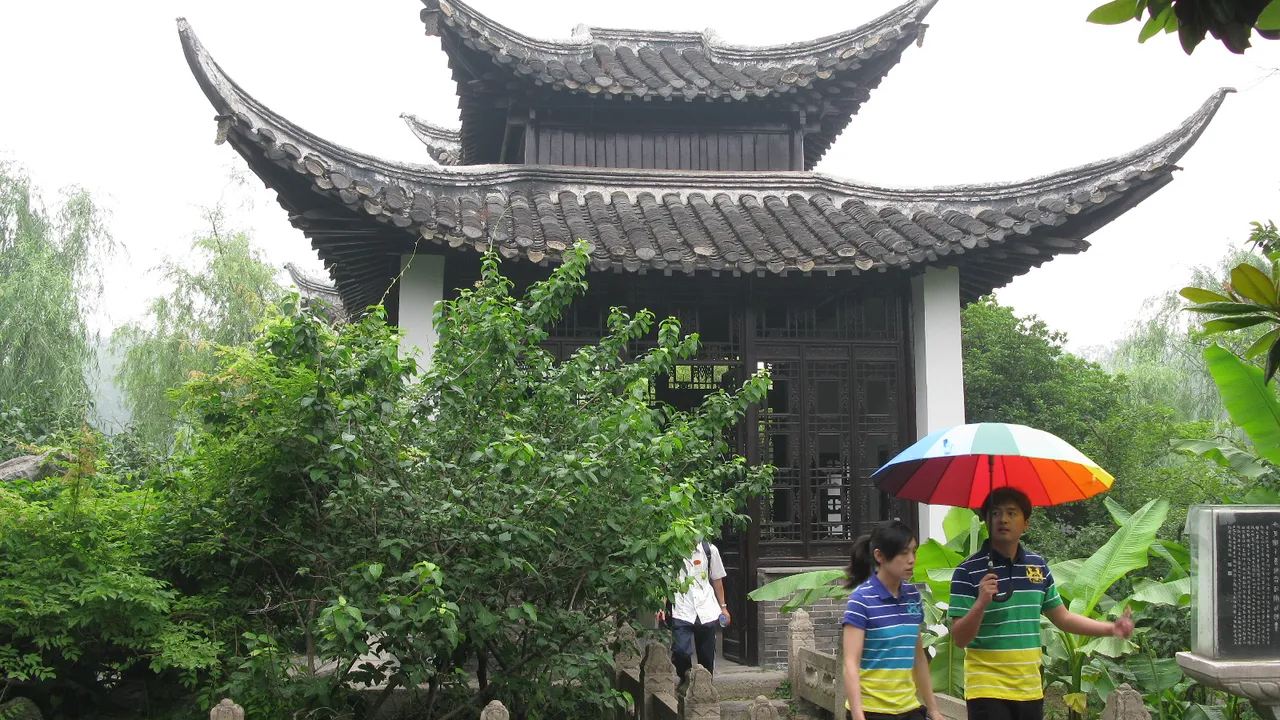
Itinerary at a glance
| D1 08:00 | Slender West Lake: The Seven-Day First Lesson |
| D1 12:00 | Daming Temple and Guanyin Hill: The Ridge's Twin Temples |
| D1 16:00 | Songjiacheng: A Moat-Ringed Dusk |
| D2 07:30 | Morning Tea at Yechun: The Week's Anchor |
| D2 10:00 | Ge Garden: Reading the Four-Season Rockery Closely |
| D2 14:00 | Wang's Compound: The Housing Logic, Second Half |
| D3 09:00 | He Garden and the Lu Residence: Nanhexia's Twin Houses |
| D3 16:00 | Dongguan Street and the Ferry Night Cruise: First Canal Passage |
| D4 09:00 | The Twin Museums: A Full Day for Woodblock Printing |
| D4 14:00 | Renfengli and Pishi Street: The Old City's Old and New |
| D5 09:00 | Zhuyu Bay: A Canal-Bend Morning |
| D5 14:00 | The Three Bays and the Grand Canal Museum: The River, Retold |
| D6 09:30 | Gaoyou: Yucheng Station and Wang Zengqi's Hometown |
| D6 15:00 | Zhenguo Pagoda and Gaoyou Lake: A Lakeside Dusk |
| D7 09:00 | Shaobo Ancient Town: The Closing Lesson in Locks |
The route, stop by stop
Slender West Lake: The Seven-Day First Lesson
Enter at the south gate and read the essential stretch through the Fisherman's Pavilion, where the round doorway frames Five Pavilion Bridge and the White Pagoda in separate arches, willow shadows on water with no boat noise in the early light.
The deep way finishes the essential stretch and turns back to Wanhuayuan for the layered bloom season. Tea at a lakeside house before the north gate sets the seven-day tempo from the first cup.
Daming Temple and Guanyin Hill: The Ridge's Twin Temples
Climb at midday, Daming Temple first, Guanyin Hill after. Read the temple in layers, the Jianzhen Memorial, Pingshan Hall, the Qiling Pagoda, with vegetarian lunch inside; Guanyin Hill crowns the ridge's east end, stone steps and old trees rising to a small temple overlooking the whole city.
Three hours across both, from the voyages of Jianzhen to street-level incense, completing what Shugang means to Yangzhou. Descend into town toward dusk and dine around Dongguan Street.
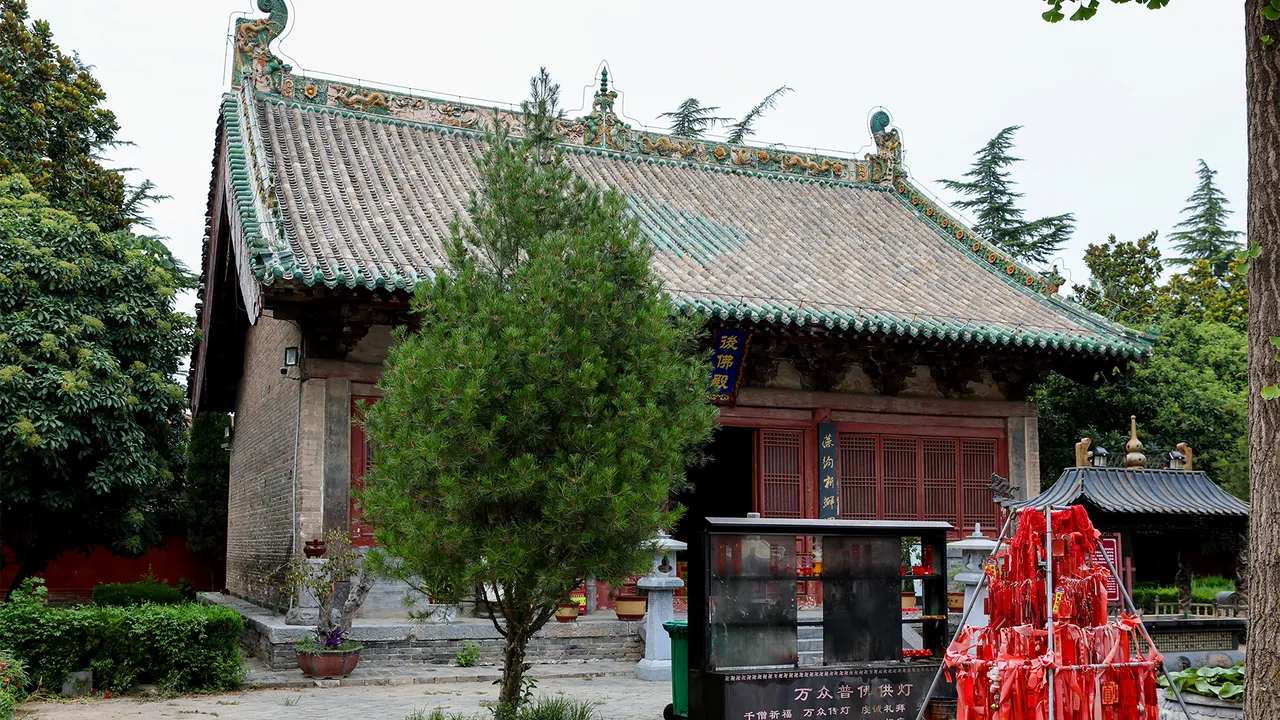
Songjiacheng: A Moat-Ringed Dusk
Reach Songjiacheng toward dusk, the green isle at its best as tree shadows lengthen on the loop and runners share the moat water with strollers. Gate ruins and wall traces pass incidentally, the city's geography lesson folded into a walk.
Close day one with an easy circuit and sleep early, setting a sustainable rhythm for the week.
Morning Tea at Yechun: The Week's Anchor
Day two opens with the city's signature rite. Claim a riverside seat early and order the formula, steamed dumplings, hot shredded tofu, three-delicacy bun, thousand-layer cake, Kui Long Zhu through three refills, moat mist drifting past the window.
Depth travel allows two teahouses in two days: Yechun today, Quyuan or Fuchun tomorrow, tasting the schools of Yangzhou morning tea against each other. Out by 9:30, the morning goes to Ge Garden.
Ge Garden: Reading the Four-Season Rockery Closely
Morning side light reads the four-season rockery best: spring's shoot stones, summer's lake stones, autumn's yellow granite, winter's alabaster, the material-direction correspondence the key to the garden. Continue through the house's nanmu hall and Congshu tower.
Two hours through, then walk to Wang's Compound, reading half merchant garden and half merchant house.
Wang's Compound: The Housing Logic, Second Half
The compound completes the morning's garden narrative into a housing one: three rows by three bays, fire lanes, hidden doors and a cellar, merchant security and face sharing one plan, rear courtyards reading best in afternoon light.
Walk back to Dongguan Street afterward and trace the quarter-to-house relationship on foot: the street is the facade, the depth is the home. As the street's lamps come on, day two's merchant theme closes under them.
He Garden and the Lu Residence: Nanhexia's Twin Houses
Day three descends to Nanhexia. He Garden's double corridors spiral two levels with a thread of daylight hidden in the Pianshi rockery; a dozen minutes on foot, the Lu residence on Kangshan Street shows the other gauge, the city's largest merchant gate with its nanmu hall and deep courtyards.
Read the two together, He refined, Lu grand, both poles of merchant taste in one morning. Lunch at Nanhexia, the afternoon left to the old city.
Dongguan Street and the Ferry Night Cruise: First Canal Passage
Return to Dongguan Street at dusk as shopfronts and lanterns light in order; browse Xiefuchun and Sanhemeimei now, buy on the final day. At the street's east end board the night cruise at the Ancient Ferry dock, arches and gate tower receding in lamp-shadow.
Forty minutes afloat, the first of the week's canal passages. Disembark and walk the bank back for dinner on the street as day three's houses and lanes merge.
The Twin Museums: A Full Day for Woodblock Printing
Day four opens at the twin museums in the city's west. The printing wing runs its full sequence live, writing, carving, brushing, binding, while the Yangzhou Museum keeps the fogged-blue dragon meiping as its treasure.
Two hours, registering for the live-printing session the moment you enter. Lunch nearby, then into the old city's lanes.
Renfengli and Pishi Street: The Old City's Old and New
The afternoon walks two lanes of different character. Renfengli is a living specimen of Tang fishbone ward planning with craft artisans working in their own doorways; Pishi Street anchors the young crowd, bookshops, vinyl and cafes packed into a few hundred meters.
Ten-odd minutes between them, adding Zhu Ziqing's Anle Lane on the way. Dinner on shrimp-roe noodles near Pishi Street, day four closing on a lane.
Zhuyu Bay: A Canal-Bend Morning
Day five goes to Wantou. The Zhuyu Bay peninsula touches water on three sides, half botanical banks, half animal zones, the island circuit tracing the old canal's bend. Animals run lively in the morning, with reeds and the old wharf carrying the nature theme.
About two hours afloat-adjacent, lunch in Wantou town, then the same direction toward the Three Bays.
The Three Bays and the Grand Canal Museum: The River, Retold
The afternoon pairs park and museum. Silhouette bridge, viewing tower and ecological corridor outdoors, grain-transport sand table and ship-hold section indoors, two millennia of canal unfolded across half a day.
After closing, walk the river to Pagoda Bend for the Wenfeng Pagoda silhouette, day five's canal theme running north to south. Dinner back in the old city, with a final moat stroll worth taking.
Gaoyou: Yucheng Station and Wang Zengqi's Hometown
Day six rides light to Gaoyou. Yucheng Station preserves a Ming courier post complete, drum tower and horse stalls making the relay system concrete; the Wang Zengqi Memorial matches the writer's Gaoyou against the city in front of you.
Lunch on Wang tofu stew and salted eggs, eating the book's flavors into memory. Two venues, two hours, the afternoon by the lake.
Zhenguo Pagoda and Gaoyou Lake: A Lakeside Dusk
Spend the afternoon on the isle between canal and lake with the Tang tower, its reflection on the river-lake seam. Walk the embankment into sunset, the lake opening almost to sea width, sails and migrants trading colors in the light.
Eat lake fish by the water or back in town, returning by evening rail. Day six extends Yangzhou's canal narrative into post roads and lakes, one layer deeper.
Shaobo Ancient Town: The Closing Lesson in Locks
The last day goes to Shaobo in Jiangdu. The locks still run, and watching a barge sink and rise with the chamber's water is the most direct lesson in the canal as living hydraulics. The old quarter's bluestone street, iron ox and teahouses fill the morning.
Lunch on Shaobo crayfish or homestyle lake fish, then walk a stretch of the Ming-Qing relict channel. Return via Yangzhou East station, seven days of lake, garden, mansion, lane, river, station and lock closing here.
| Getting around |
|
| Budget | Tickets total about RMB 450-550, combos saving twenty to thirty percent, with meals, lodging and local transport putting the run at RMB 2600-3800 pp before long-distance travel. |
| Best time | Choose between March-May's viburnum mist and September-October's osmanthus and still water; seven days absorb rain and closure days with ease. |
FAQs
How to choose between the seven-day and five-day versions?
Five days see it all, seven see it through: the two extra days buy canal-bend wetlands and the outer water works, a completeness only the seven-day version has. With a full week and a slow taste, take the deep version; shorter leave or a garden-focused trip, and the five-day structure runs tighter.
What is the ticket and booking checklist for seven days?
Free with booking: the twin museums, the Grand Canal Museum, Zhu Ziqing's home (registration); on-site tickets: the lake about RMB 100, Daming Temple RMB 45, Ge Garden RMB 45, Wang's Compound RMB 25, He Garden RMB 40, the Wu mansion RMB 30, Zhuyu Bay RMB 45, Yucheng Station RMB 25, with combos covering the first core three. Align Monday closures against the route before departure.
Which days tire most, and how to schedule rest?
Day one's lake-plus-two-temples and day three's twin houses log the most steps, though both wind down before four. Deep-travel rest hides in teahouses: reserve an hour each morning or afternoon, which digests the itinerary better than hotel naps. Day seven runs deliberately light to recover before leaving.
Where does a seven-day budget concentrate, and how to control it?
Lodging and meals dominate; tickets total only around five hundred. Control it by locking rooms near Wenchang Pavilion two weeks ahead, letting morning tea and noodle houses carry daily meals, and replacing all-taxi transfers with rail and buses on the two out-of-town days. The whole week lands near RMB 3000 pp before long-distance transport.