
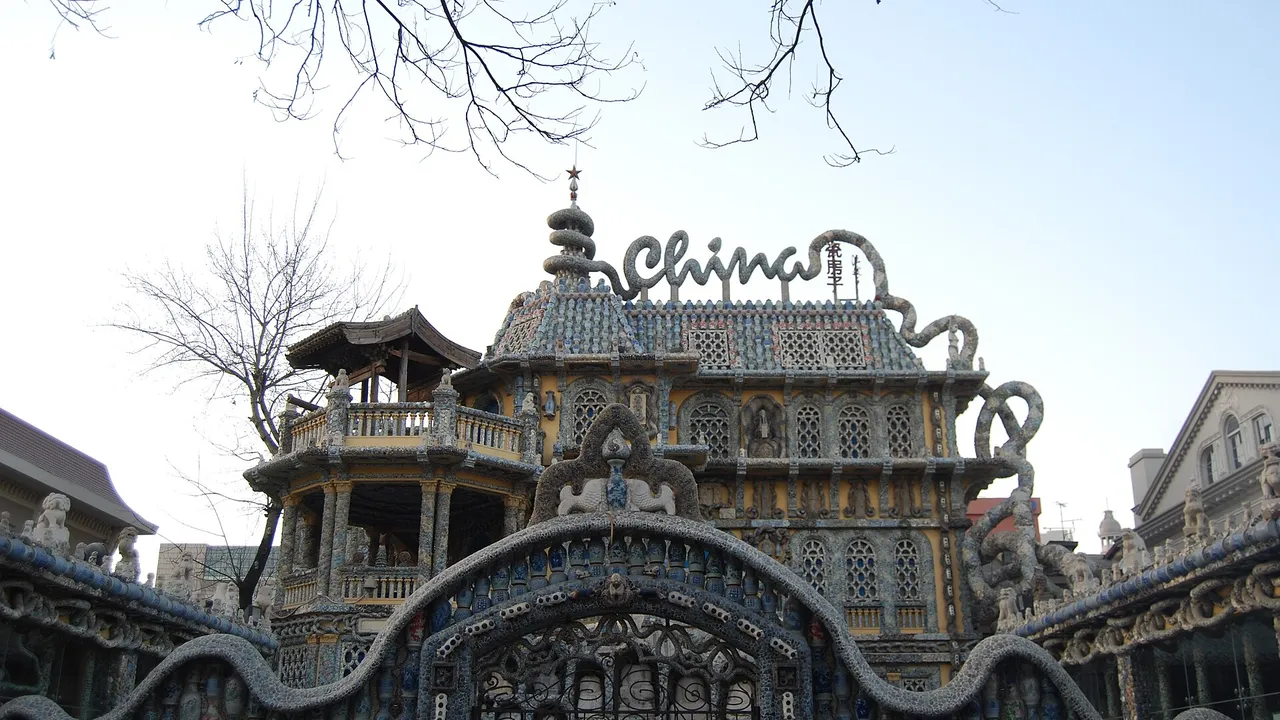
Yangliuqing sits beside the Grand Canal's southern reach, rich first by water, famous then by paint. Its woodblock New Year prints began in the Ming and flourished in the Qing; the old line, every household dyes, every household paints, described a whole town of craftsmen. The Shi Family Grand Courtyard, billed as North China's finest mansion, keeps its opera stage, long galleries and ornamental gates all original.
Three days: day one enters the town for the courtyard and the print museum, the headline pieces first. Day two follows the canal, reading how water shaped the town, then sits down to hand-color a print. Day three goes to Jingwu town and Huo Yuanjia's home village to complete the western district's cultural line, back downtown by evening. This is the slowest of Tianjin's routes, built for people who want to be still for a while.
Itinerary at a glance
| Day 1 · 09:30 | The Shi Family Grand Courtyard: The Scale of It |
| Day 1 · 14:00 | The Yangliuqing Print Museum: How a Print Is Born |
| Day 2 · 09:00 | Walking the Canal: How Water Built the Town |
| Day 2 · 14:00 | Hand-Coloring a Print: Opening a Face Yourself |
| Day 3 · 09:30 | Huo Yuanjia's Village: Where Jingwu Began |
| Day 3 · 14:30 | The Return: Taking the Prints Home |
The route, stop by stop
The Shi Family Grand Courtyard: The Scale of It
The Shi mansion belonged to one of late-Qing Tianjin's eight great merchant families, the Zunmeitang branch, some ten thousand square meters, courtyards nested in courtyards, galleries linking galleries. Three things to see: the Shi opera stage, a superb enclosed theater where winter audiences heard the play without the cold; the ornamental gates and brick-and-stone carving, craftsmen showing off in the details; and the plan itself, North China's grandest courtyard did not earn the title for nothing.
Tickets are a few dozen yuan; two slow hours. The exhibition wing traces the town's history, see it before the town, not after.
The Yangliuqing Print Museum: How a Print Is Born
The museum takes the print apart into its four stages, draw, carve, print, paint, the artist drafting the line, the carver cutting pear-wood blocks, the printer laying paper and color, and finally the painter opening the faces. A single print passes five or six hands: the hybrid print-then-paint technique found nowhere else among China's New Year print traditions.
Follow the galleries in process order; the cases hold the actual tools and drafts of each stage. The museum shop sells unmounted and mounted prints closer to the workshop source than the Culture Street counters, and priced honestly.
Walking the Canal: How Water Built the Town
The Yangliuqing reach is a World Heritage point of the Grand Canal, and the embankment path rewards a slow walk: in the grain-transport era, boats from the south unloaded here and the town strung itself along the water, river hands, boat families and print peddlers each claiming their stretch of wharf. The canal is quiet today, still wide, still lined with willows.
Two hours takes you from Wenchang Pavilion at the town's east end to the western bend. The pavilion is a Ming tower and the high point on the canal; from the top, the rooflines of the whole town explain the geography of rising by water.
Hand-Coloring a Print: Opening a Face Yourself
Workshops and the museum run coloring classes: a pre-printed outline straight off the ink block, colored layer by layer under a master's eye. Yangliuqing's painting rules run strict, light before dark, pale before saturated, and opening the face is the final, hardest stroke, the master guiding your wrist through the eyeliner.
A two-hour class, and you leave with a print you colored yourself, tens to a hundred-odd yuan, by reservation. A print you painted and a print you bought are two entirely different possessions.
Huo Yuanjia's Village: Where Jingwu Began
Xiaonanhe village in Jingwu town, Xiqing District, is Huo Yuanjia's birthplace; the memorial keeps his birth home and tomb and lays out the 39-year arc of the mizongquan master: farmer's son to founder of Shanghai's Chin Woo Athletic Association, the Jingwu spirit, patriotism, self-cultivation, justice, mutual aid, setting out from this ground. Entry is modest, an hour covers it.
Even the martial-arts-indifferent get the point: this is the story of a farm boy whose two hands answered an era's contempt. The film remakes keep coming because none of it needed inventing.
The Return: Taking the Prints Home
Before heading back, clear the souvenirs: unmounted prints, courtyard-culture mementos, the memorial's martial bookmark keepsakes. Yangliuqing lies about 20 km from downtown, a half hour to an hour by taxi or bus.
The three-day aftertaste is slowness: nothing here demands hurrying, only courtyards that ask you to sit. Slotted into a Tianjin itinerary, this town works like a sponge in a fast schedule.
| Getting around |
|
| Budget | Entries, a workshop class, two nights and meals: about RMB 350-600 pp |
| Best time | New Year print season peaks around Spring Festival; spring and autumn suit the canal best; summer shade is scarce, mind the sun |
FAQs
Should I overnight in Yangliuqing?
The town is small enough for a day; stay a night for the slow pace or the print markets.
Do the print workshops need booking?
Yes, sessions run to schedule at the workshops and museum; book a day ahead.
Will kids enjoy this route?
The coloring class and canal walks suit children well; keep the courtyard narration to the highlights.
How does the Shi courtyard compare to Shanxi courtyards?
Smaller than the Wang or Qiao compounds, stronger on its intact opera stage and canal setting, different honors.