
Banna's shopping list has three layers: modern malls for ordinary goods, heritage workshops for crafts, and the night market for fire-and-smoke smalls. Today runs big before small, dear before cheap: malls in the morning, crafts in the afternoon, market at night, keeping the wallet's bleeding to three controlled points.
Three rules first. Buy Pu'er tea only at prices you can actually taste, and take the thirty-yuan ancient-tree cakes as fiction. Touch no silver or jade without an expert beside you. And for edibles, ask about vacuum packing and shelf life before paying. The fun of shopping here is small and true, never big and dear.
Itinerary at a glance
| 10:00 | Xishuangbanna Mancheng Shopping Park: The Town's Standard Mall |
| 14:00 | Xishuangbanna Sunac Mall: The Resort District's Commercial Hub |
| 16:30 | The Wangtianshu Intangible Heritage Center: The Front Door to Crafts |
| 19:00 | The Mekong Starlight Night Market: Last Smalls and Fireworks of Smoke |
The route, stop by stop
Xishuangbanna Mancheng Shopping Park: The Town's Standard Mall
Mancheng is Jinghong's mainstream mall, with supermarket and brands complete and a clear mission: restock travel consumables, carry home ordinary gift boxes, and buy dependable tea souvenirs at chain counters with posted prices and steady quality control, the safe starting point for Pu'er novices.
The basement supermarket is a window on local ingredients: small-bean coffee, Dai chili pastes, vacuum-packed Dai flavors, all at far saner prices than the sights. Buy two days' worth; the heavy lifting comes later.
Xishuangbanna Sunac Mall: The Resort District's Commercial Hub
Sunac Mall sits in the outlying resort district, larger still, with brand retail plus a children's playground and dining, where young companions can burn an afternoon. For a shopping day its virtue is completeness: sportswear, drugstore cosmetics and digital accessories in one stop.
The ride back toward town passes the district's water landscape. Short on time, choose one mall by where you sleep: north town takes Mancheng, the resort district takes Sunac.
The Wangtianshu Intangible Heritage Center: The Front Door to Crafts
The heritage center gathers Dai pottery, Dai paper, brocade and silver for display and sale, with clear provenance and full craft notes, the reliable venue for handmade goods. Dai-paper lamps and Dai-pottery tea ware offer the best value: well designed, honestly priced, luggage friendly.
Buying here doubles as learning: craftspeople or staff explain each tradition's background, and deciding after the telling beats guessing through night-market shouting. Some sessions let you make a small piece on the spot to carry out.
The Mekong Starlight Night Market: Last Smalls and Fireworks of Smoke
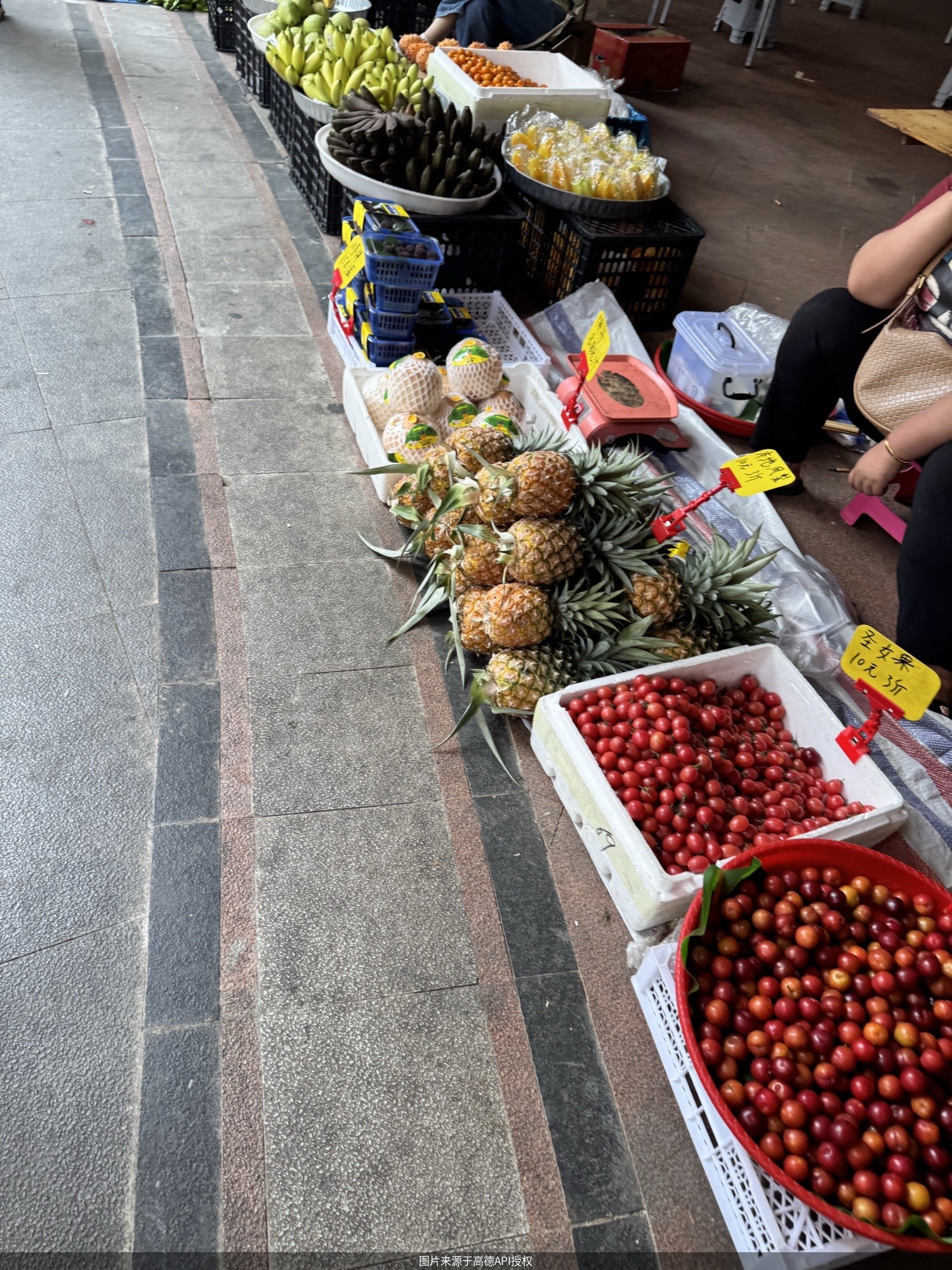
The shopping day's last stop is the market, with only smalls and experiences left: modest handmade silver, Dai-styled accessories, dried tropical fruit, spice bundles of lemongrass and lime leaf. Prices are shouted, so open at half, with deals usually closing at forty to sixty percent of the ask.
The market also serves as the day's quality gate: the baselines built at the malls and the heritage center now filter absurd bargains. Treat implausibly cheap silver and jade as craftwork, buy for love, never for investment.
| Getting around |
|
| Budget | Souvenirs run RMB 100-300 comfortably, while Pu'er tea and jade swing wildly; RMB 300-600 for the day is the mainstream range. |
| Best time | Year-round buying; tea seasons stock the shops fullest, weekend nights fill the market, and in the rainy season swapping malls and market makes the smarter order. |
FAQs
How do I avoid traps buying Pu'er tea in Xishuangbanna?
Three rules: buy only what your own palate knows, tasting a brewed pot and paying for flavor rather than story; check the price logic, since a hundred-year ancient tree at thirty yuan is a fairy tale; and prefer proper tea-city shops and mall chains with tags and returns. At RMB 100-300 a cake you get a respectable daily drinker.
Should I buy silver and jade at the night market?
Small handmade silver pieces are fine bought as jewelry, negotiated as craftwork. Strongly avoid jade there: market lighting flatters every color, and without certificates or an expert eye, losing the gamble is the default. For real jade, use proper shops demanding appraisal certificates and keeping receipts.
Should I buy Dai dress, or just rent one for photos?
For photos, rent: Gaozhuang rentals are hourly with basic styling included. To buy, know that ready-to-wear at the heritage center and specialty shops varies widely in cloth and work, everyday pieces from a few hundred yuan, fully handwoven brocade into the thousands. The memory value outruns the wearing frequency, so be sure before paying.
How do I get tropical fruit and dried fruit home?
Fresh tropical fruit mostly dislikes long journeys, so eat it locally; durian and mangosteen face airline and quarantine limits, so check rules ahead. Dried and freeze-dried are the answer: choose mango and jackfruit chips without sugar frost, and confirm vacuum shelf life. Shipping home is the easiest route, reaching most cities in three or four days.